Watercolour Illusion
A thin orange edge tints a whole white region pale orange.
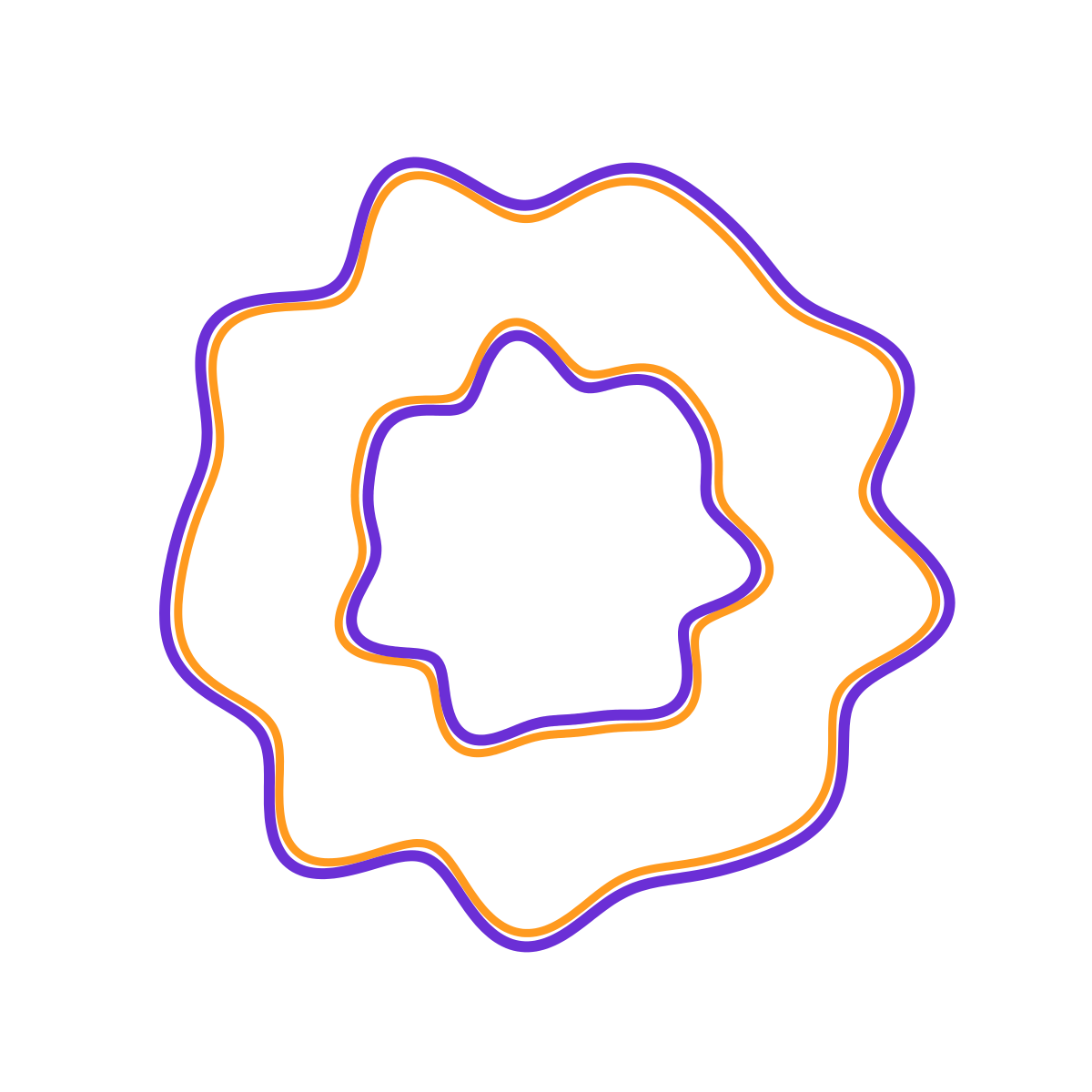
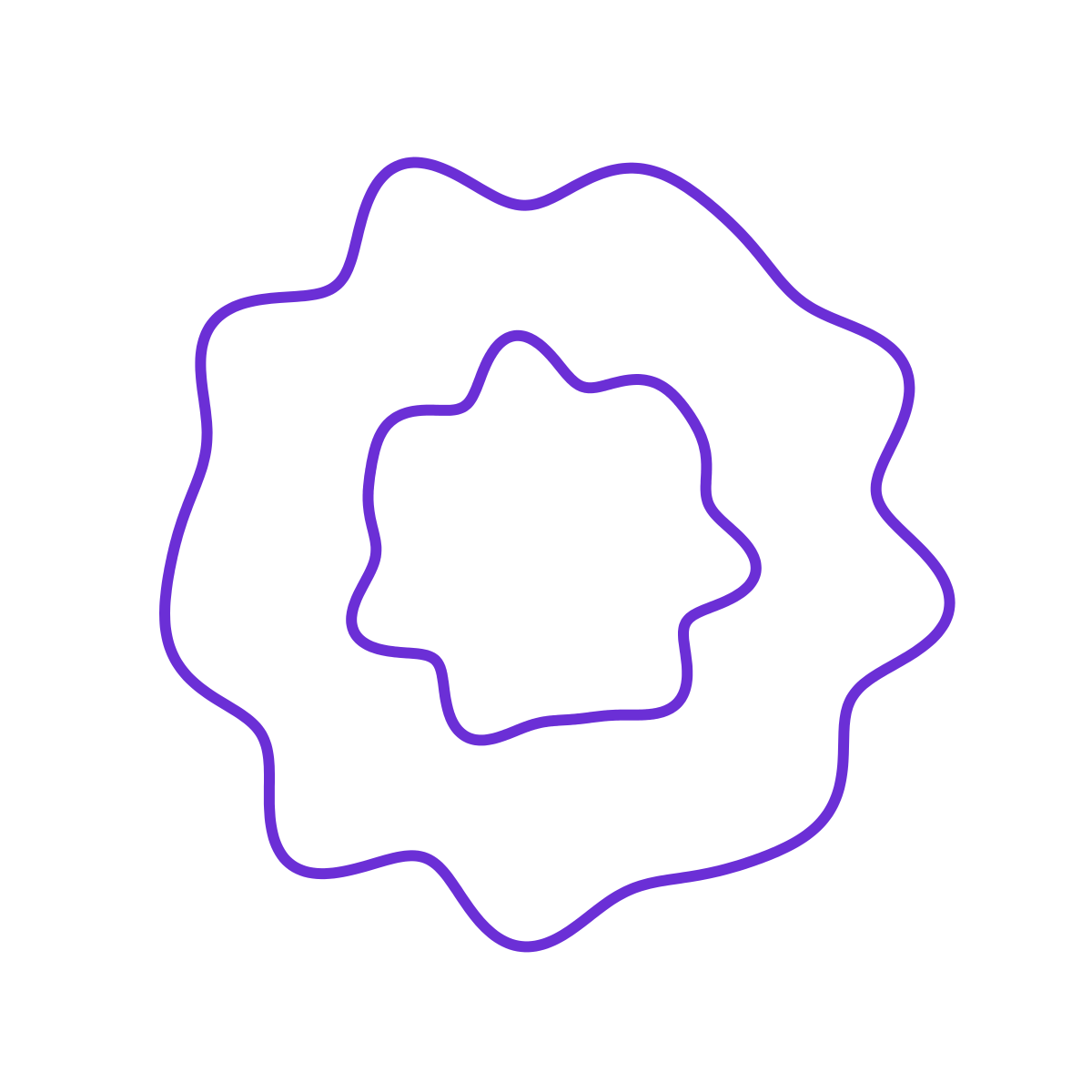
What do you see?
Two wavy outlines, one inside the other. Each is a dark purple line edged on one side with a thin orange line. The white band between the outlines seems to be washed with a pale orange tint, as if painted with watercolour. Press Reveal to remove the orange edges and the tint disappears. The paper is white everywhere.
How it works
The watercolour illusion shows that a thin coloured edge can colour a whole surface. Two effects happen at once: colour spreads, and a figure appears.
The colour spreading begins at the boundary between the purple and orange lines. Because the purple is darker and more saturated, the orange line next to it is seen as part of a lighter surface. The visual system seems to propagate the orange colour away from the boundary into the white region, filling it with a faint tint. Neurons in early visual cortex respond to edges, and the brain often reconstructs surfaces by spreading information from edges into the areas they bound. The watercolour illusion takes advantage of that filling-in process.
The figure effect is just as strong. The tinted region tends to look like a solid surface, while the area on the other side of the purple line looks like background. In this way the illusion can override other cues for figure and ground, such as closure and symmetry. Researchers have shown that a region with the watercolour edge is often seen as figure even when other features would normally make it look like a hole.
The illusion works best under particular conditions. The inner line must be lighter than the outer line, the two lines must be thin and touching, and the contours should be wavy rather than straight. The effect is visible with many colour combinations, although strongly contrasting colours such as purple and orange produce some of the clearest results.
The watercolour illusion helps explain how the visual system decides which side of a line belongs to an object. The asymmetric colour edge acts like a signal that says this side is the inside, and both colour and figure follow. That makes it useful for designers and artists who want to create shapes with very little ink.
History
Italian vision scientist Baingio Pinna described the watercolour effect in 1987 and later studied it with Gavin Brelstaff and Lothar Spillmann, who published a detailed account in 2001. The same Pinna also co-discovered the rotating rings illusion on this site. The contours here were drawn for OpticalIllusions.com.
Try it
- Press Reveal to remove the orange lines.
- Cover the outlines and look only at the white band: the tint disappears.
- Step back from the screen and the tint usually becomes stronger.
- Try drawing your own version with two felt-tip pens.
Written by K.R. for OpticalIllusions.com · Updated . Illusion artwork © The Wizard Of Sales, LLC. Feel free to share a link; see our terms for reuse.
Related illusions
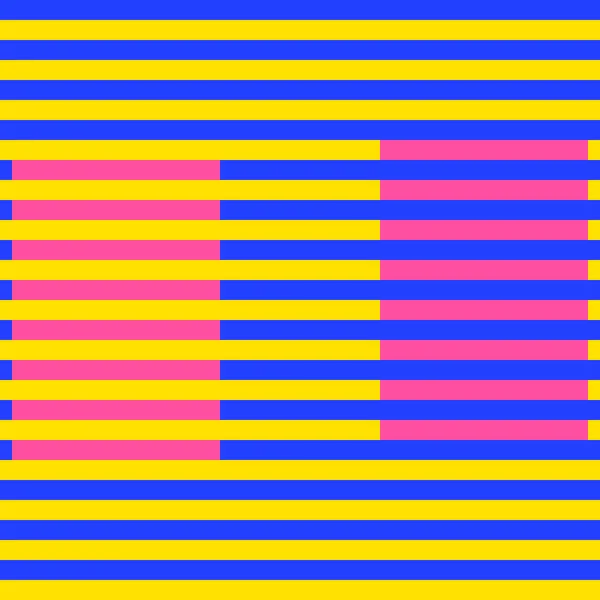 Colour illusionsMunker-White IllusionThe same pink looks like two colours on blue and yellow stripes.
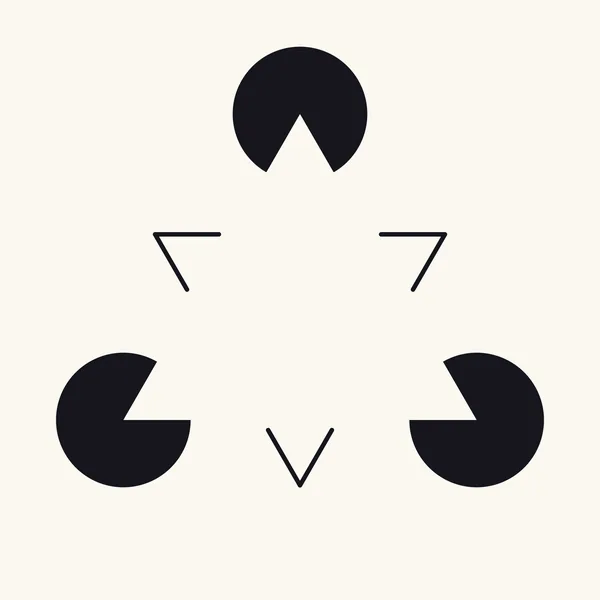 Geometric illusionsKanizsa TriangleA bright white triangle appears from nothing but three cut-out discs.
 InteractiveMotion illusionsTroxler FadingStare at the cross and the soft colour spots vanish into grey.
 InteractiveColour illusionsAfterimage FlagStare at a cyan, black and yellow flag and a red, white and blue one appears.