Motion illusions
Still pictures that seem to move, spin, float or swell, plus animated illusions that show how your motion detectors work.
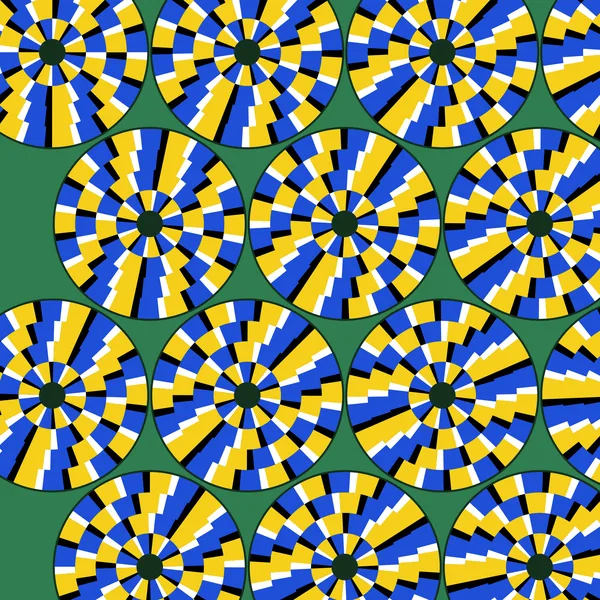 Motion illusionsRotating SnakesDiscs that turn on their own, even though nothing moves.
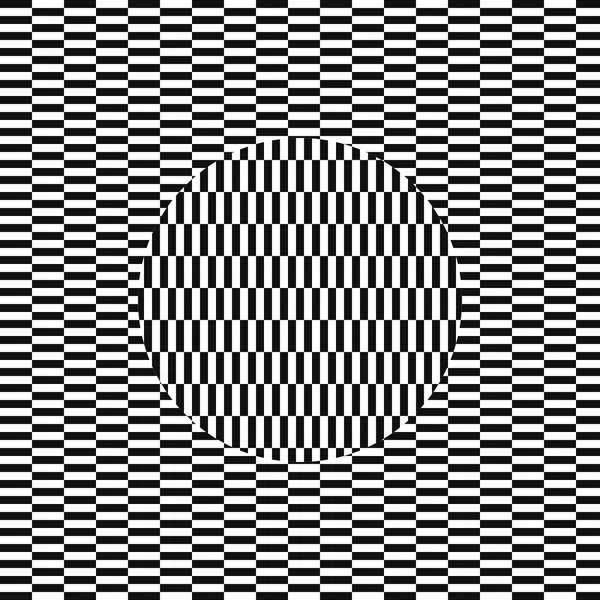 Motion illusionsOuchi IllusionA checkered disc that seems to float and slide over its background.
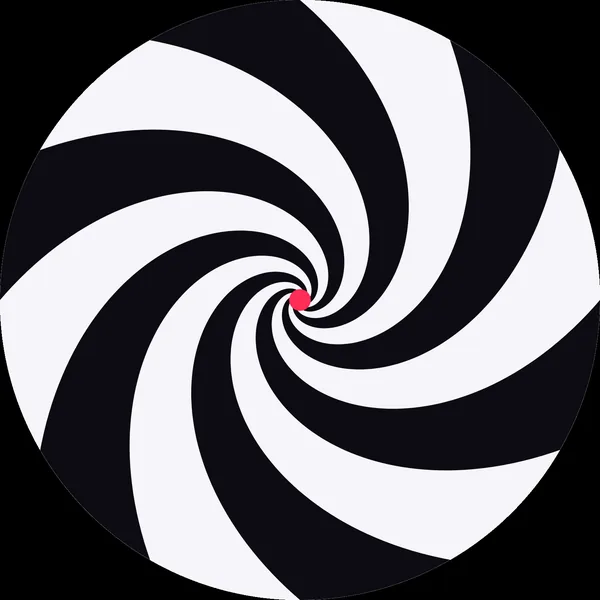 InteractiveMotion illusionsMotion Aftereffect SpiralWatch a spinning spiral for 30 seconds and still things start to move.
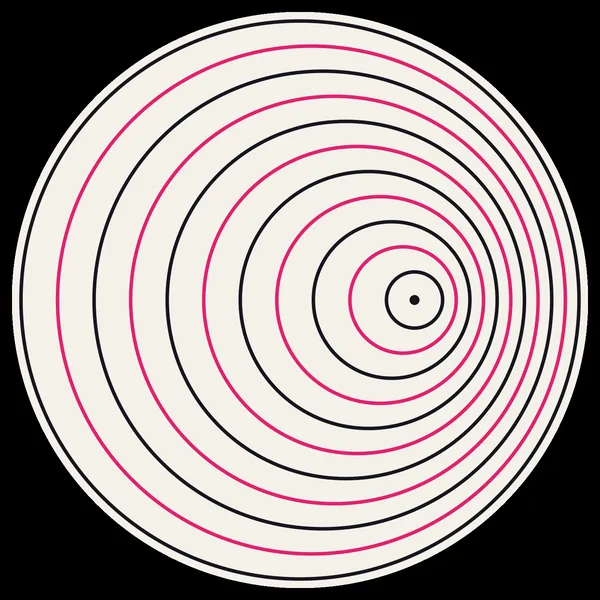 InteractiveMotion illusionsStereokinetic RingsTurning flat circles that suddenly pop out as a cone or tunnel.
 InteractiveMotion illusionsTroxler FadingStare at the cross and the soft colour spots vanish into grey.
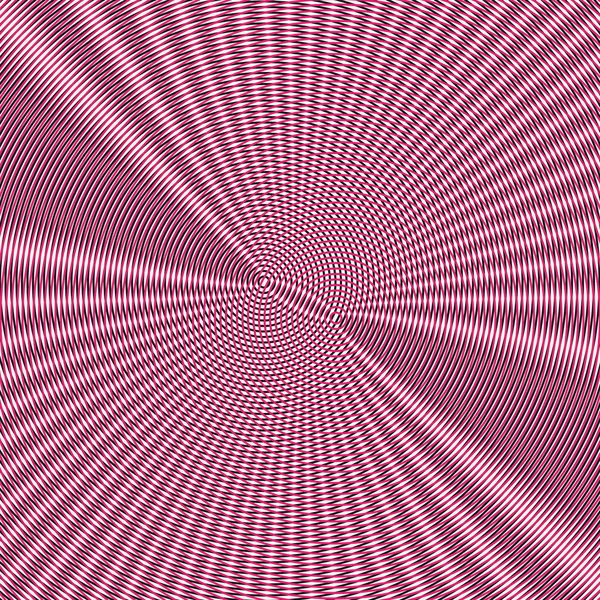 InteractiveMotion illusionsMoiré PatternsTwo sets of rings overlap and phantom waves sweep across them.
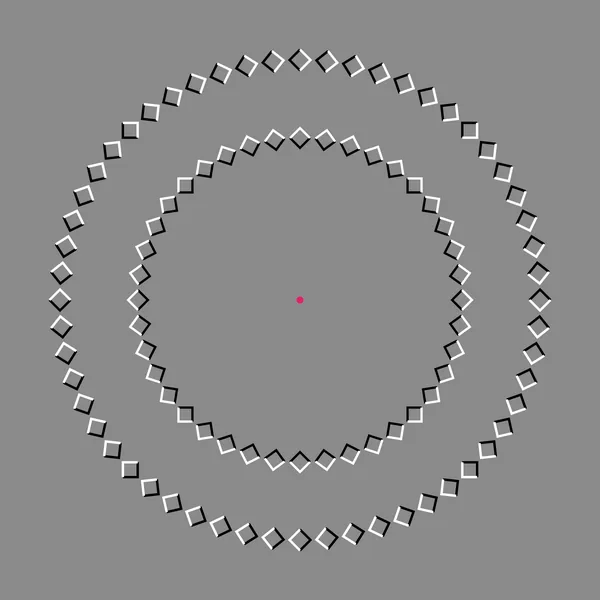 Motion illusionsPinna-Brelstaff RingsMove your head toward the dot and the two rings turn opposite ways.
Advertisement
Why still pictures move
Motion illusions work because your brain does not measure movement directly. It infers motion from changes in brightness over time and space, and certain patterns trigger those detectors even when nothing changes. Stepped brightness sequences fire them through small timing differences, elongated textures confuse them through the aperture problem, and long stares tire them out so that the world seems to drift the other way.
Many of these effects are strongest in peripheral vision, so view the images large and let your eyes move freely. If you are sensitive to motion, take breaks.