Hidden Eye Stereogram
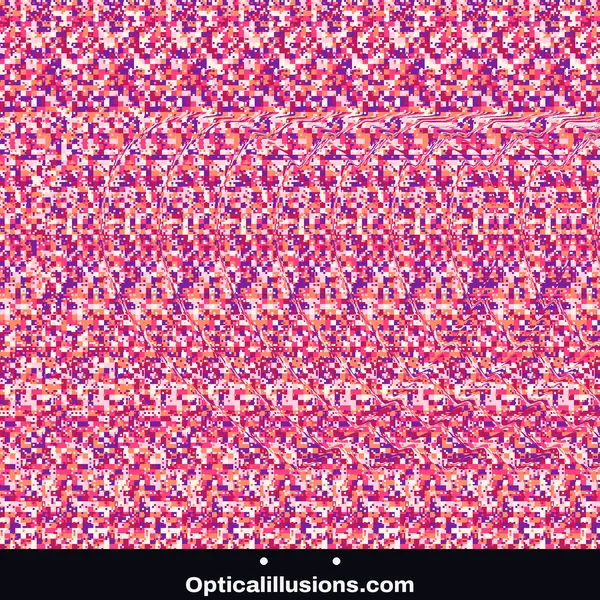
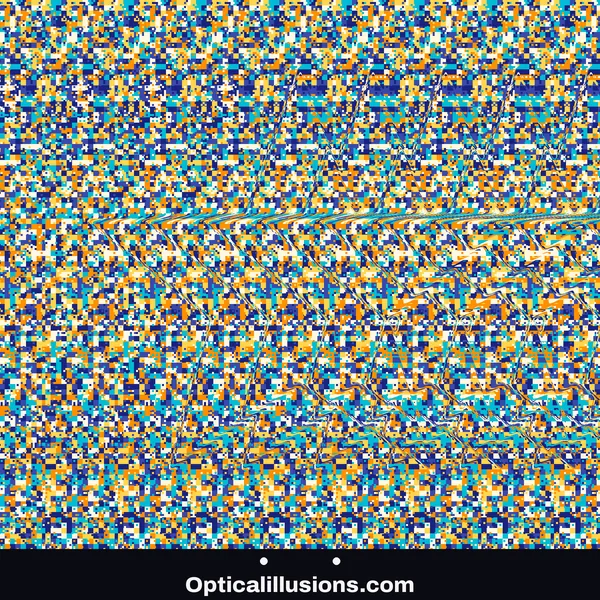
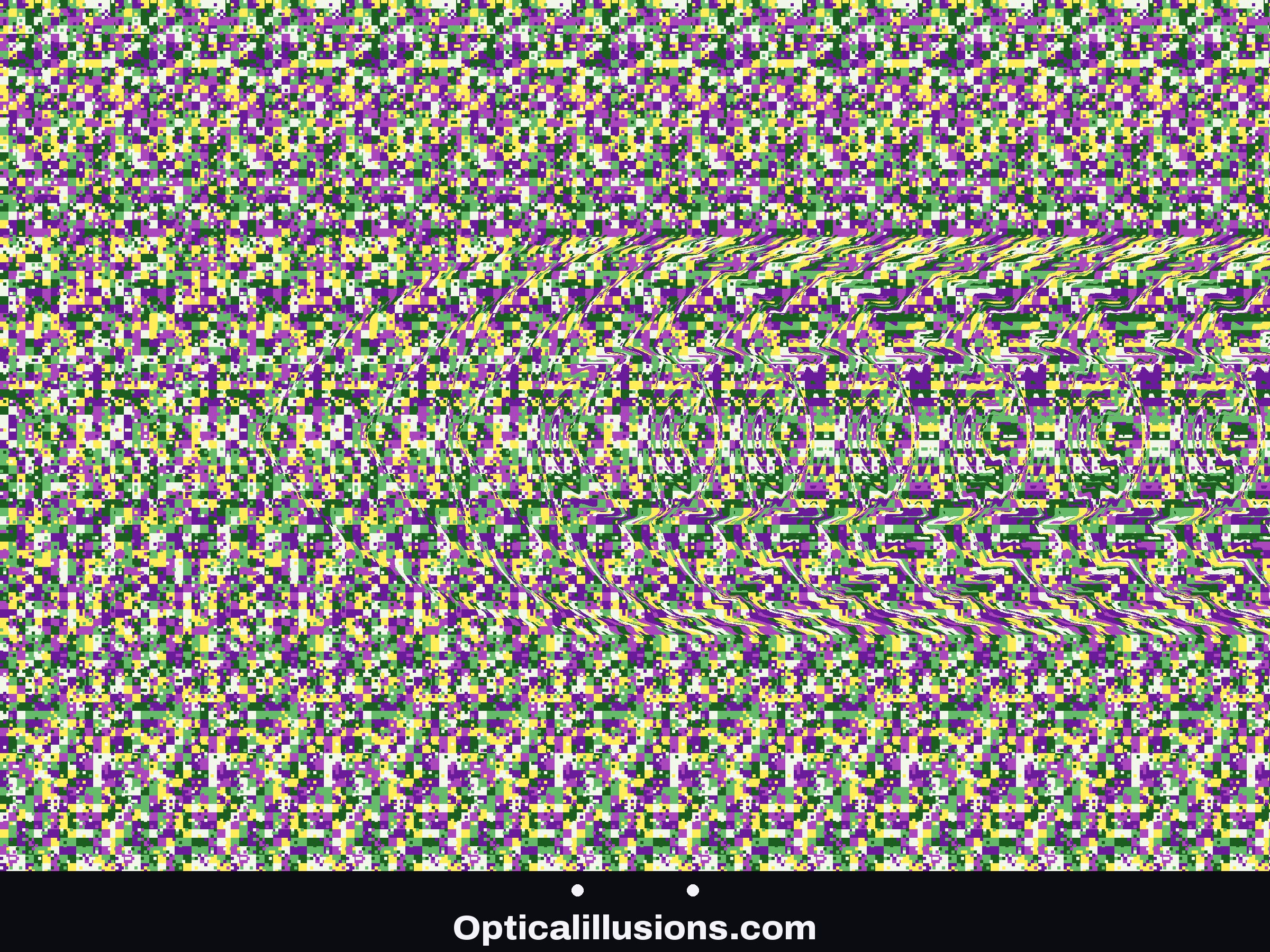
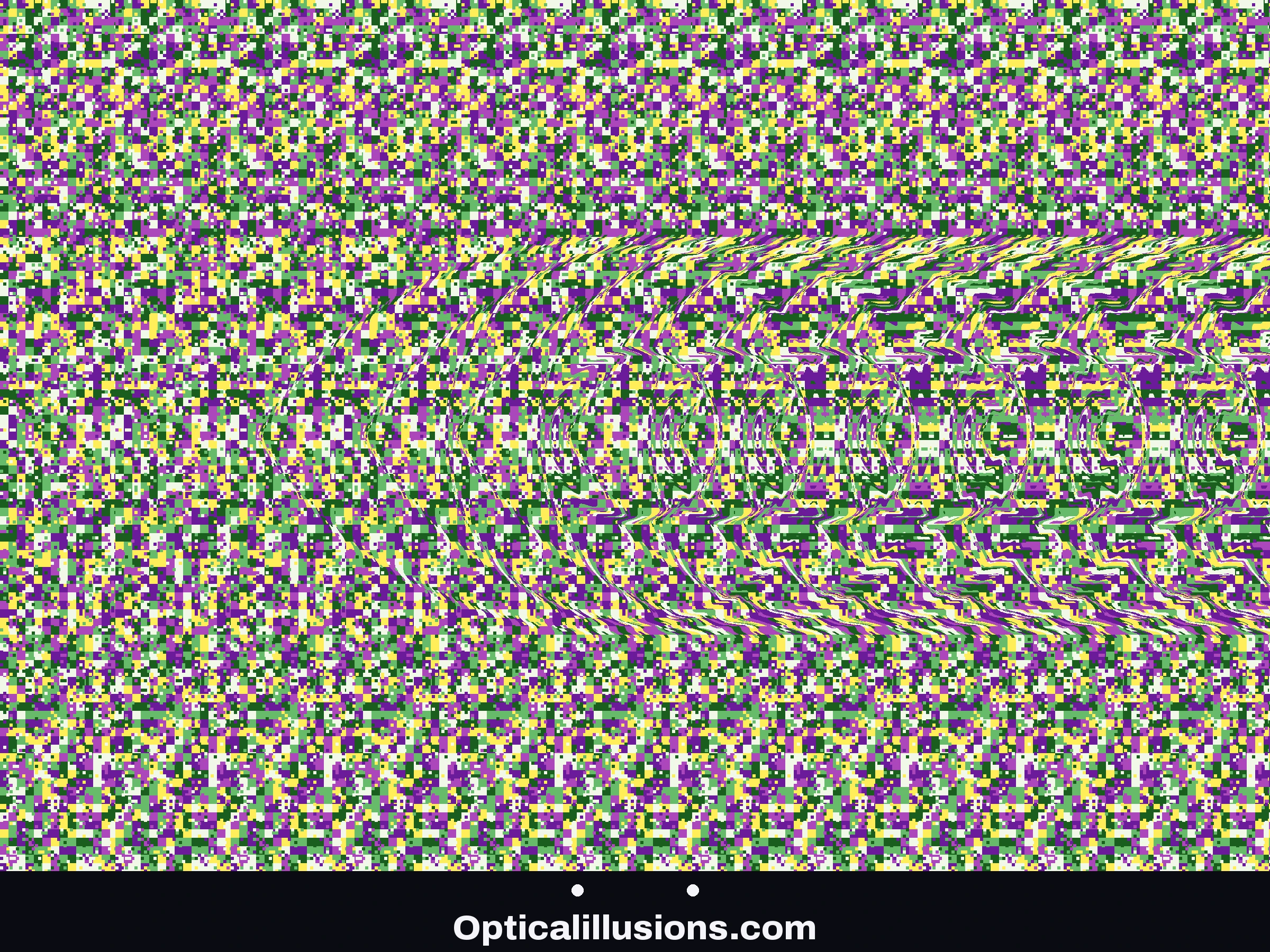
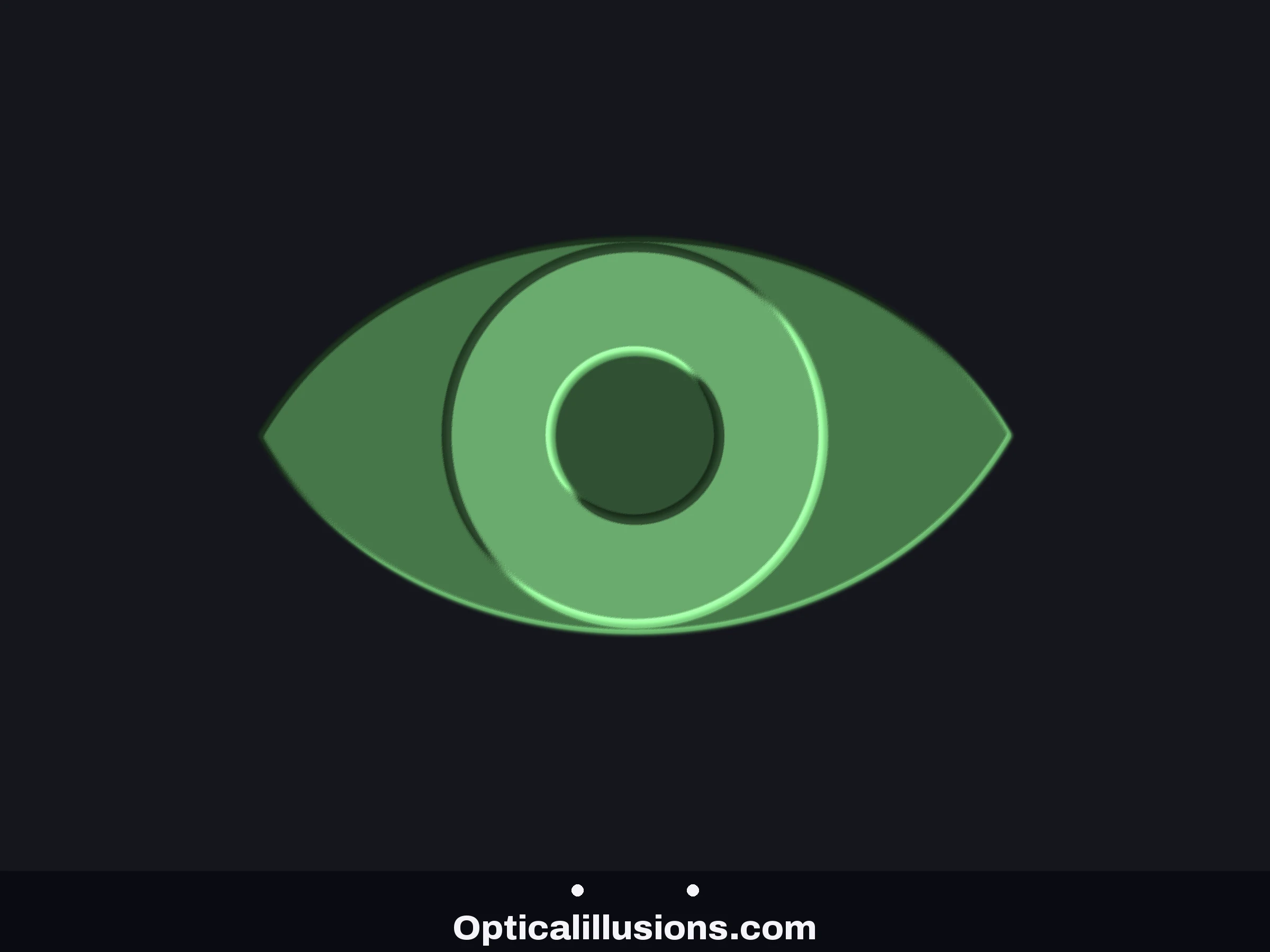
A 3D eye stares back at you from a green and purple pattern.
Free for personal and classroom use. The Opticalillusions.com mark stays on the picture so friends can find more. Stereogram tees, mugs and posters are on their way to our shop. Browse the shop for illusion designs you can order today.
What do you see?
At first, only a busy, repeating pattern of green, purple and yellow speckles. Nothing seems to be there. Now relax your eyes and look through the picture, as if you were gazing at something far behind your screen. After a few seconds the pattern seems to separate into layers and an eye opens in layers: the almond shape sits just above the background, the iris ring rises well above it and the pupil sinks back in as a deep hollow. Press the Reveal button if you want to see the shape before you try.
How it works
This picture is a single-image stereogram, sometimes called an autostereogram or a Magic Eye style picture. It uses the same trick your brain uses every moment to judge distance: the small difference between what your left eye and your right eye see.
Your eyes sit about two and a half inches apart, so each one sees the world from a slightly different angle. Your brain compares the two views and measures how far each detail has shifted. That shift is called binocular disparity, and it is one of the strongest depth cues you have. Nearby objects shift a lot between the two eyes; distant ones barely shift at all.
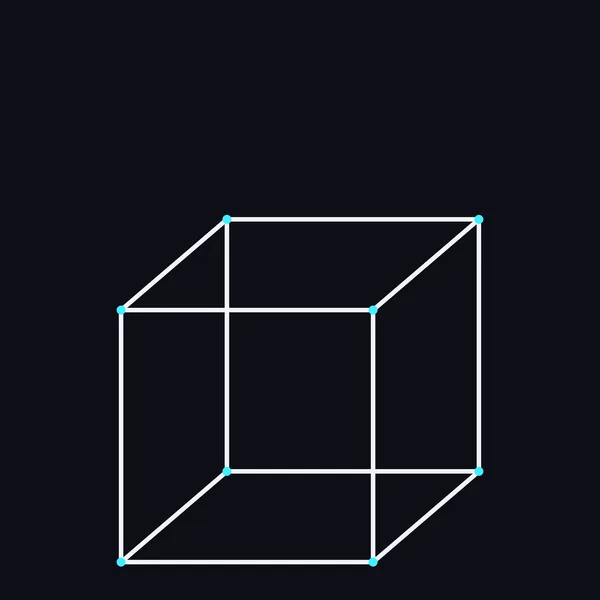
A stereogram hides that disparity inside a repeating pattern. The pattern repeats across the picture at a steady interval. Wherever the hidden shape should stand out, we make the pattern repeat a little sooner. When you let your eyes drift apart so that each eye lines up with a neighboring copy of the pattern, your brain matches the copies up. Where the repeat is shorter, the match tells your brain that the surface is closer, so that area seems to float in front of the rest.
The shape is not drawn anywhere in the colors. If you cover one eye, it vanishes completely, because a single eye has no second view to compare. It exists only in the spacing of the pattern and in the way your brain fuses the two views into one.
Learning to see stereograms takes a little practice, because you have to unlink two things your eyes normally do together: pointing and focusing. Most people get it within a few tries. A small number of people cannot see them at all, often because one eye does most of the work. That is common and nothing to worry about.
History
Charles Wheatstone described binocular depth and built the first stereoscope in 1838. Bela Julesz showed in 1959 that random-dot stereograms create depth with no visible outline, and Christopher Tyler and Maureen Clarke made the first single-image random-dot stereogram in 1979. The Magic Eye books made them a worldwide craze in the 1990s. This eye stereogram is original artwork for Opticalillusions.com, built from our own depth map and pattern.
Try it
- Use the two white dots in the dark strip below the picture. Relax your eyes until you see three dots, then slowly look up into the pattern.
- Bring your face close to the screen so the picture is blurry, then slowly move back without refocusing.
- Look at your reflection in the screen, or at something far away, and let the pattern come into focus on its own.
- Look for the three depths: the almond, the raised iris and the sunken pupil.
Frequently asked questions
How do I see the hidden eye?
Relax your eyes and look through the picture, as if gazing at something far behind your screen. After a few seconds an eye opens in layers out of the pattern.
What layers should I look for in the eye stereogram?
Look for three depths: the almond shape just above the background, the iris ring rising well above it and the pupil sinking back as a deep hollow.
Why does the shape disappear when I close one eye?
A single eye has no second view to compare, so the shape vanishes completely. It exists only in how your brain fuses the two views.
Why can't I see the hidden picture?
It takes a little practice to unlink pointing and focusing your eyes. A small number of people cannot see stereograms at all, which is common and nothing to worry about.
Sources & credits
Single-image random-dot stereograms were created by Christopher Tyler and Maureen Clarke (1979, published 1990), building on Bela Julesz's random-dot stereograms (1959). The depth map and pattern are original artwork.
- Julesz, B. (1971). Foundations of Cyclopean Perception. University of Chicago Press.
- Tyler, C. W. & Clarke, M. B. (1990). The autostereogram. Proceedings of SPIE, 1256, 182–197.
- Wheatstone, C. (1838). On some remarkable, and hitherto unobserved, phenomena of binocular vision. Philosophical Transactions of the Royal Society, 128.
- Autostereogram — overview Read →
Further reading: The Illusions Index (University of Glasgow) and Michael Bach’s Optical Illusions & Visual Phenomena.
Written by K.R. for Opticalillusions.com · Updated . Illusion artwork © The Wizard Of Sales, LLC. Feel free to share a link; see our terms for reuse.