
Kwanzaa Kinara Color Illusion
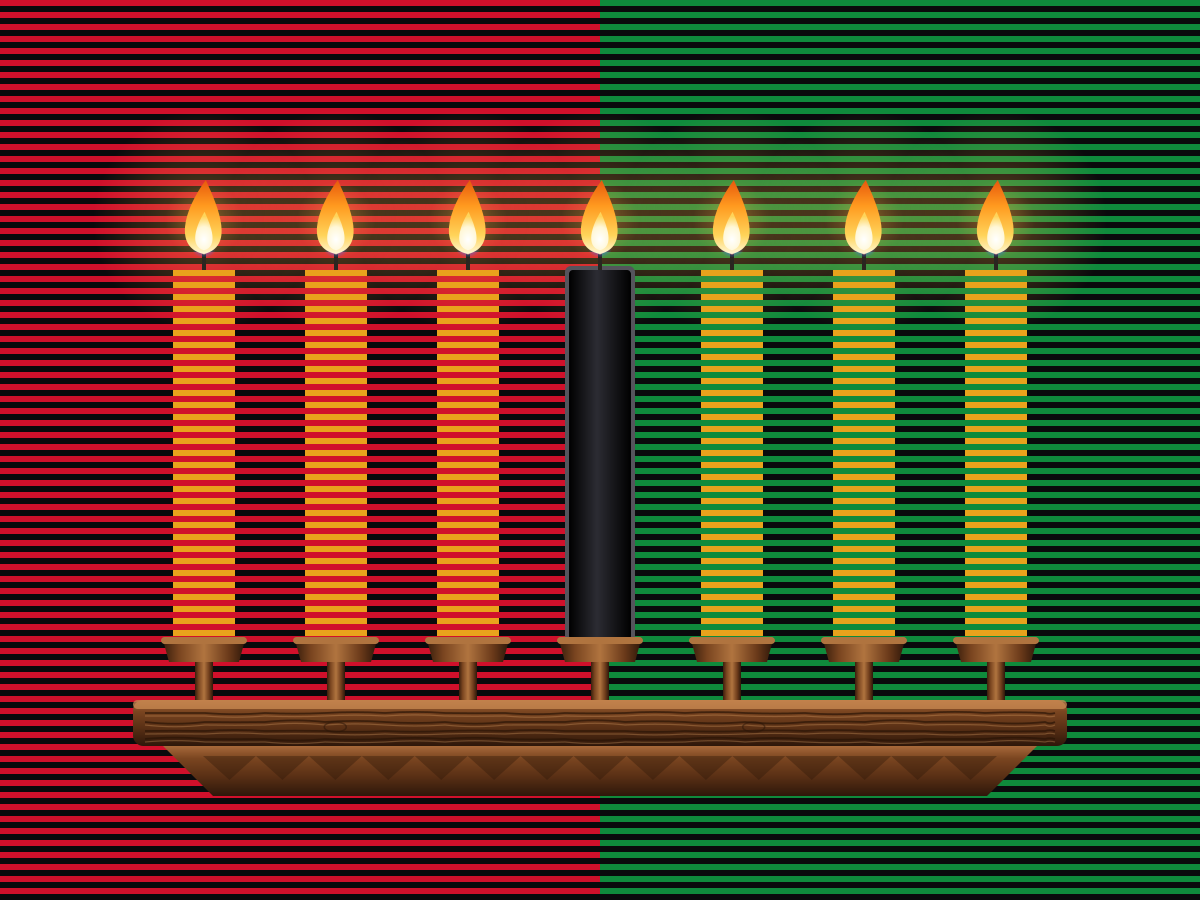
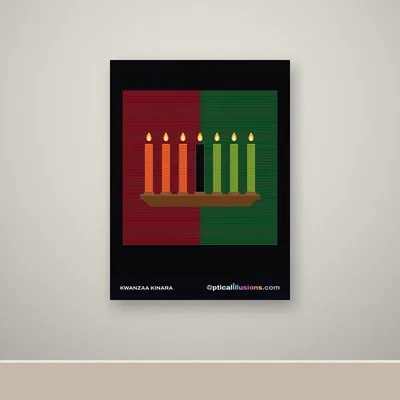
Three candles look red, three look green. All six are the very same color.
Get Kwanzaa Kinara on a tee, mug or poster
Printed to order with the Opticalillusions.com wordmark.
What do you see?
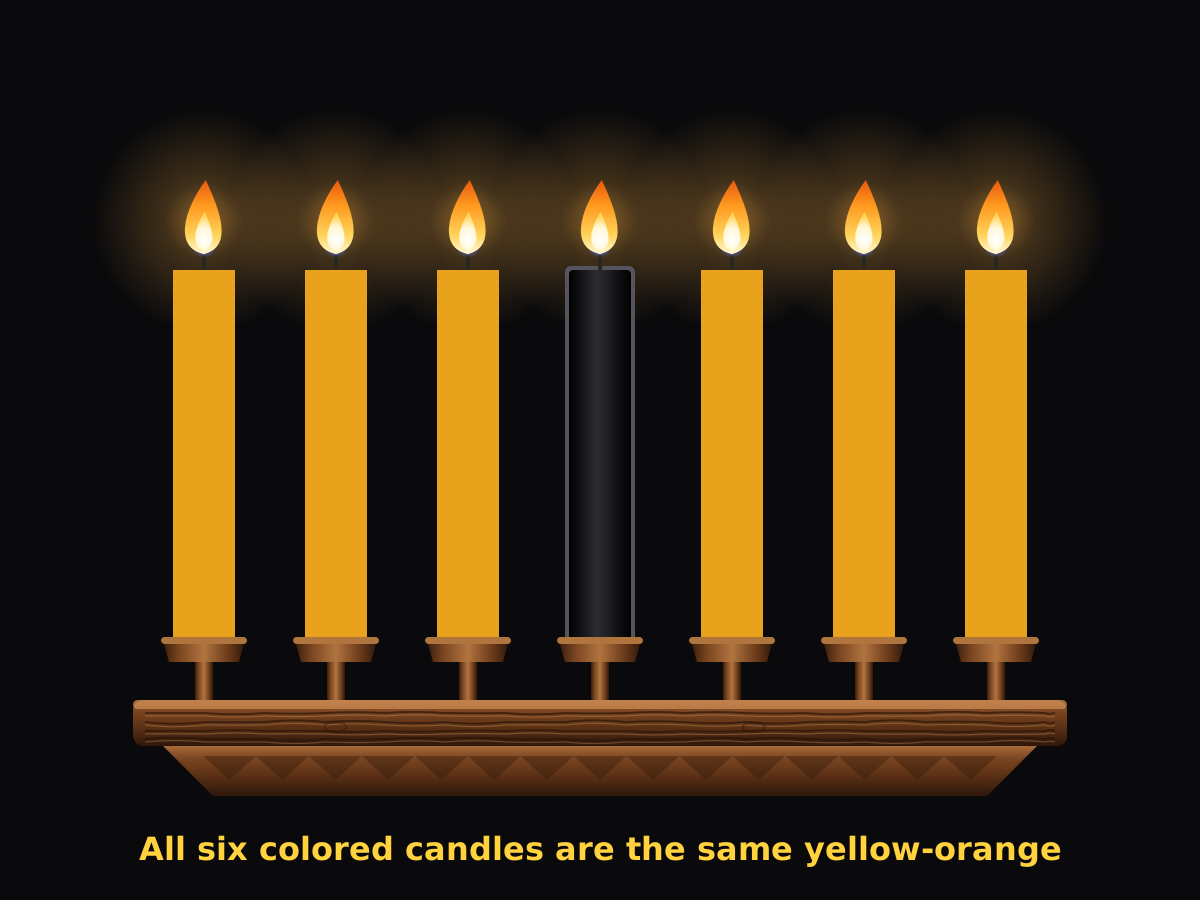
A kinara, the Kwanzaa candle holder, with seven lit candles: three on the left that look red, a black candle in the center and three on the right that look green, just like the mishumaa saba, the seven candles of Kwanzaa. The background is made of thin stripes, red and black on the left, green and black on the right. Look at the candles from a normal distance and they seem to take on the Kwanzaa colors. Press "Remove the stripes" and the truth appears: all six colored candles are painted in exactly the same yellow-orange.
How it works
This is the Munker illusion, a color relative of White's illusion. Each of the six candles is one plain yellow-orange, but thin colored stripes run across it, so you see it through a fine grating: on the left the stripes crossing the candles are red, on the right they are green. Instead of seeing yellow-orange with red bars, your visual system blends the stripes and the candle together. The left candles shift toward red and the right candles shift toward green.
This blending is called assimilation, and it is the opposite of the better-known contrast effect. In contrast, a color looks more different from its surroundings, the way a gray square looks lighter on black. In assimilation, a color moves toward the color of nearby lines. Assimilation tends to win when the pattern is fine and the lines are thin, which is why the stripes in this picture are narrow.
Part of the explanation is simply optical. The eye cannot resolve very fine stripes perfectly, so neighboring colors blur slightly before any neuron sees them. But blur cannot be the whole story, because the effect is often stronger than blur alone predicts and can depend on how the shapes are arranged. Researchers think the brain groups each candle with the stripes that cross it, treating them as one surface, and the junctions where the stripes meet the candle edges guide that grouping.
The arrangement matters for Kwanzaa, too. On a real kinara the three red candles stand on the left, the black candle in the center and the three green candles on the right, and this picture follows that order, so your expectations help the illusion along.
The black candle in the middle is the control. It has no stripes crossing it, so it looks the same black on both sides, a reminder that the shift you see in the other six comes from the stripes alone.
History
Hans Munker described the effect in 1970, and Michael White published the black-and-white version in 1979. Kwanzaa, created in 1966 by Maulana Karenga, runs from December 26 to January 1 and celebrates the Nguzo Saba, seven principles, one for each candle. The black candle stands for the people and is lit first, the red for their struggle and the green for the future and hope. This kinara is original artwork for Opticalillusions.com.
Try it
- Press the reveal button and back again to watch the candles change color.
- Zoom in very close: the stripes separate and the candles look yellow-orange with colored lines.
- Step away from the screen: the red and green get stronger.
- Cover the background on one side and compare a single left and right candle.
Frequently asked questions
Are the kinara candles really red and green?
No. All six colored candles are painted in exactly the same yellow-orange. Press Remove the stripes to see.
Why do the candles look like different colors?
Thin red stripes cross the left candles and thin green stripes cross the right ones. Your visual system blends the stripes with the candle, so the colors shift. This is called assimilation.
What illusion is this based on?
It is the Munker illusion, a color relative of White's illusion. Hans Munker described it in 1970, and Michael White published the black-and-white version in 1979.
What do the Kwanzaa candle colors mean?
The black candle stands for the people and is lit first, the red for their struggle and the green for the future and hope.
Sources & credits
Based on the Munker illusion (Hans Munker, 1970) and White's illusion (Michael White, 1979). The kinara is an original drawing.
- Munker, H. (1970). Farbige Gitter, Abbildung auf der Netzhaut und übertragungstheoretische Beschreibung der Farbwahrnehmung. Habilitation thesis, University of Munich.
- White, M. (1979). A new effect of pattern on perceived lightness. Perception, 8.
- Munker illusion — overview Read →
- Kwanzaa — overview Read →
Further reading: The Illusions Index (University of Glasgow) and Michael Bach’s Optical Illusions & Visual Phenomena.
Written by K.R. for Opticalillusions.com · Updated . Illusion artwork © The Wizard Of Sales, LLC. Feel free to share a link; see our terms for reuse.
Related illusions
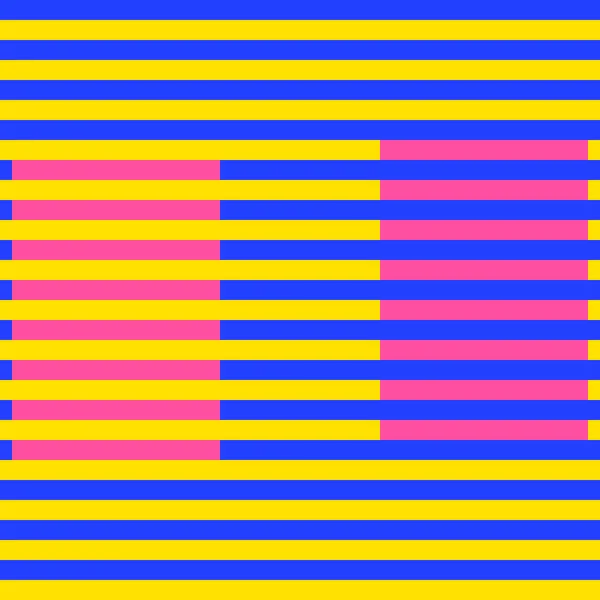 Color illusionsMunker-White IllusionThe same pink looks like two colors on blue and yellow stripes.
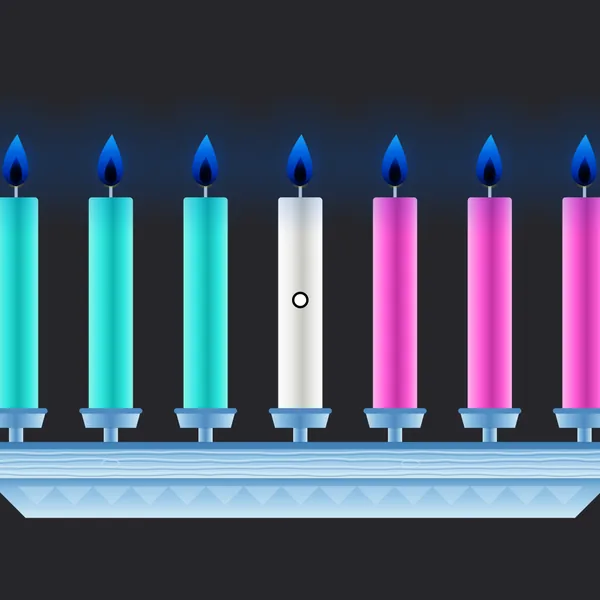 InteractiveHoliday illusionsKwanzaa Kinara AfterimageStare at a cyan, white and pink kinara, then see red, black and green candles appear.
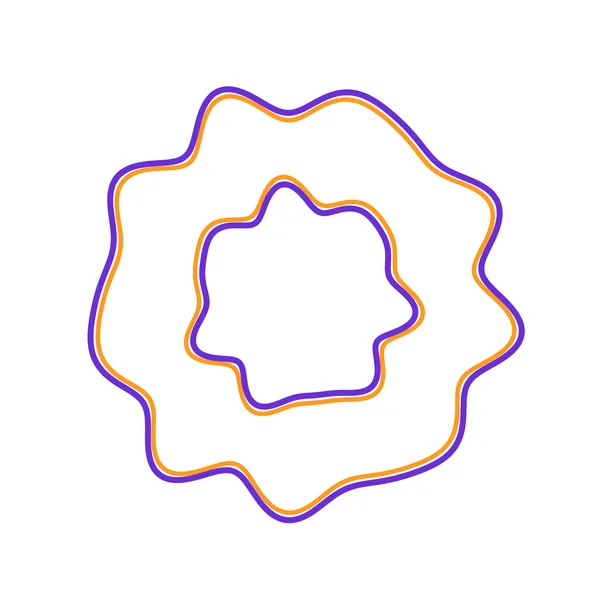 Color illusionsWatercolor IllusionA thin orange edge tints a whole white region pale orange.
 InteractiveBrightness illusionsSimultaneous ContrastA uniform gray bar looks lighter on the left and darker on the right.