
Vertical-Horizontal Illusion
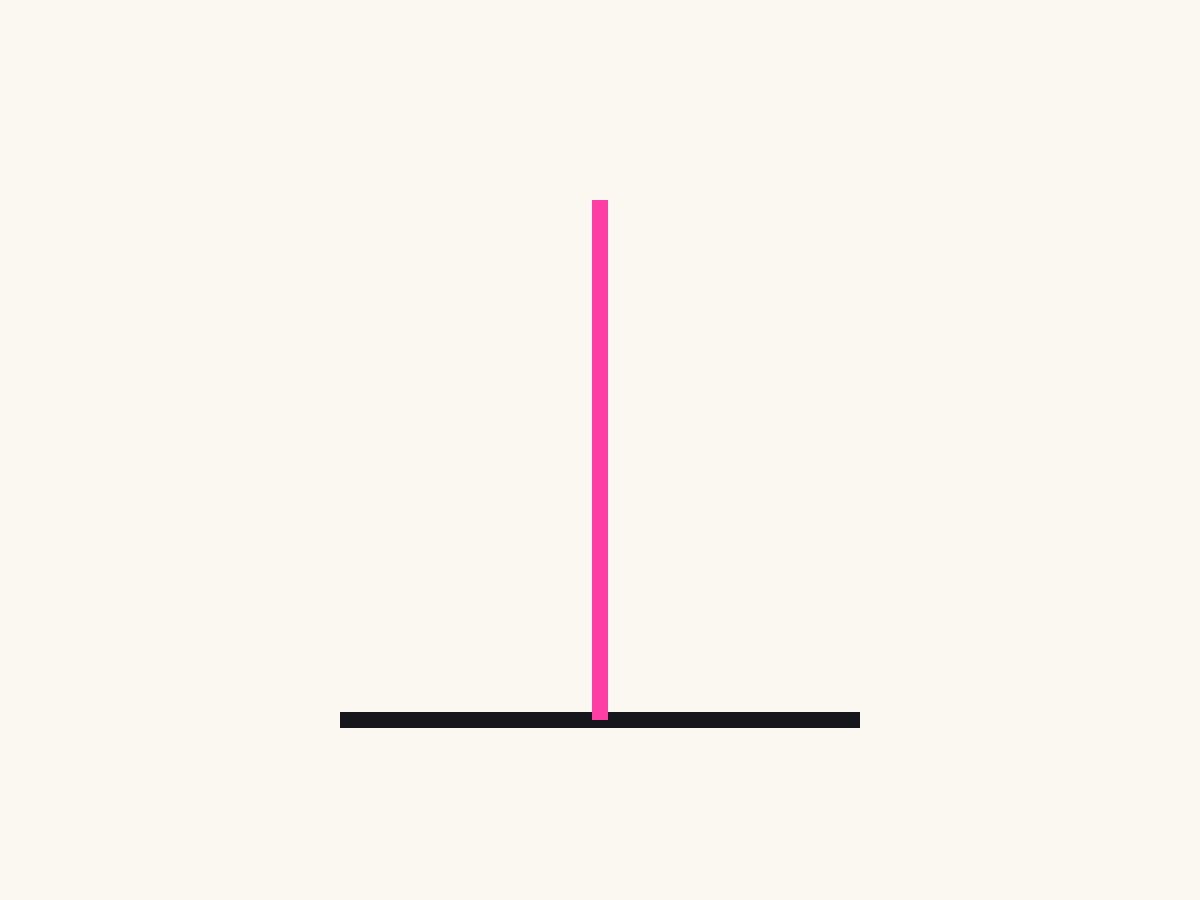
An upside-down T whose two lines are the same length.
What do you see?
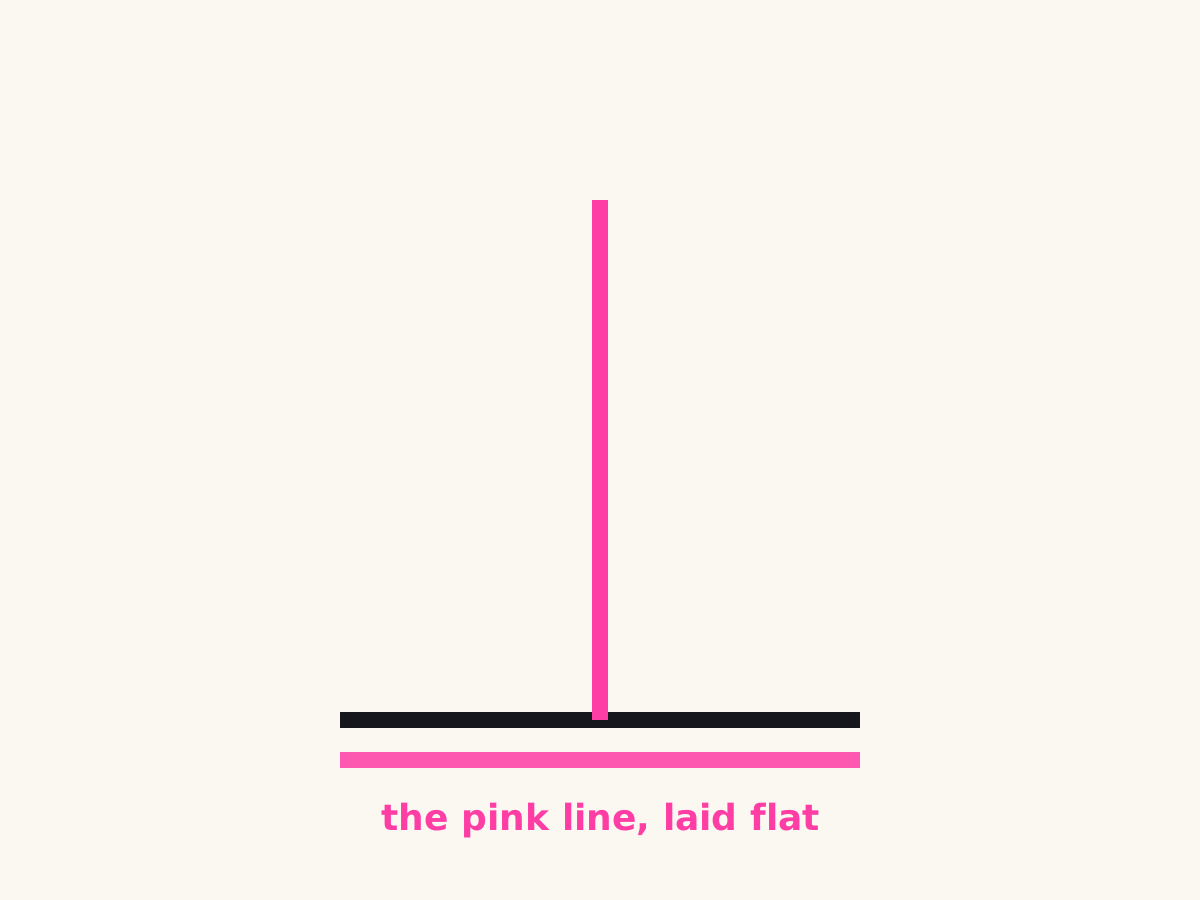
An upside-down T: a black horizontal line with a pink vertical line rising from its middle. The pink line looks noticeably longer than the black one. They are exactly the same length. Press the reveal button to lay a copy of the pink line flat underneath, where you can compare it directly.
How it works
The vertical-horizontal illusion is really two effects working together. The first is a general bias to overestimate vertical extents. When a vertical and a horizontal line of the same length are shown separately, most people judge the vertical one as longer, typically by somewhere between a few percent and about a fifth, depending on the person and the figure.
Several explanations have been proposed. One points to the shape of our visual field. With two eyes side by side, the region we can see is wider than it is tall, so a vertical line fills a larger proportion of the available height than a horizontal line of the same length fills of the width. Another idea is that vertical lines on a flat page often represent distances that recede into depth, like a road stretching away, so the brain scales them up. A third points to the way we move our eyes, since vertical eye movements may require slightly more effort than horizontal ones.
The second effect is bisection. In the inverted T, the vertical line cuts the horizontal line into two halves, but the horizontal line does not cut the vertical one. A divided line tends to look shorter than an undivided line, because you see it as two shorter pieces. That is why the inverted T is a much stronger illusion than an L shape made of the same two lines.
Architects and designers have long used the vertical bias. Tall, narrow windows, vertical stripes on clothing and slim columns all make buildings and people look taller. The same bias may be one reason why tall trees and towers seem so imposing compared with long flat objects of equal size.
The illusion is reliable and easy to measure, which has made it a favorite in experiments comparing people from different environments, different ages and even different species. Its strength varies, but almost everyone sees the vertical line as at least a little longer.
History
The effect was noted in the mid-nineteenth century. The German physiologist Adolf Fick described the overestimation of vertical lines in 1851, and Wilhelm Wundt, one of the founders of experimental psychology, studied it in 1858. It has been measured in hundreds of studies since. The figure on this page was drawn for Opticalillusions.com with both lines exactly 520 units long.
Try it
- Measure both lines with a strip of paper.
- Turn your screen sideways. Does the illusion follow the lines or the screen?
- Draw an L with two equal lines and compare it with the inverted T.
- Look at a doorway and guess whether it is taller than it is wide by more or less than you think.
Frequently asked questions
Are the two lines really the same length?
Yes. They are exactly the same length. Press the reveal button to lay a copy of the pink line flat underneath and compare.
Why does the vertical line look longer?
People tend to overestimate vertical lengths. Also, the vertical line cuts the horizontal one in half, and a divided line tends to look shorter.
Why is the upside-down T stronger than an L shape?
In the upside-down T, the horizontal line is split into two halves, which makes it look shorter. An L shape made of the same lines does not have that split.
Who discovered the vertical-horizontal illusion?
German physiologist Adolf Fick described the overestimation of vertical lines in 1851, and Wilhelm Wundt studied it in 1858.
Sources & credits
Noted by Adolf Fick (1851) and studied by Wilhelm Wundt (1858).
- Künnapas, T. M. (1955). An analysis of the 'vertical-horizontal illusion'. Journal of Experimental Psychology, 49.
- Vertical–horizontal illusion — overview Read →
Further reading: The Illusions Index (University of Glasgow) and Michael Bach’s Optical Illusions & Visual Phenomena.
Written by K.R. for Opticalillusions.com · Updated . Illusion artwork © The Wizard Of Sales, LLC. Feel free to share a link; see our terms for reuse.
Related illusions
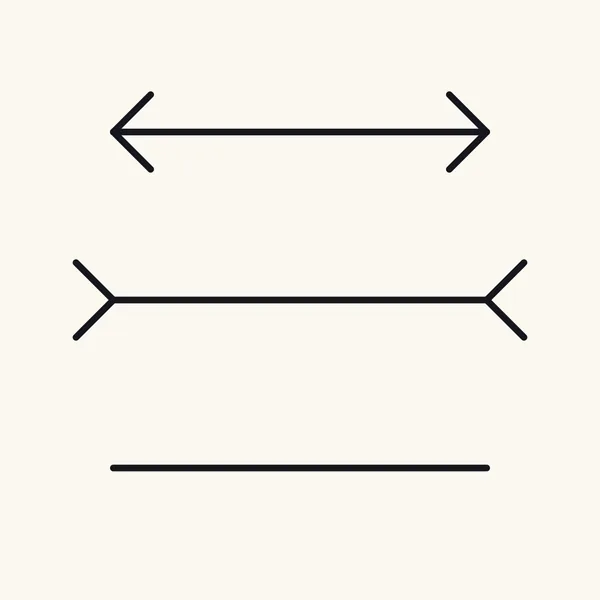 InteractiveGeometric illusionsMüller-Lyer IllusionThree identical lines that look clearly different in length.
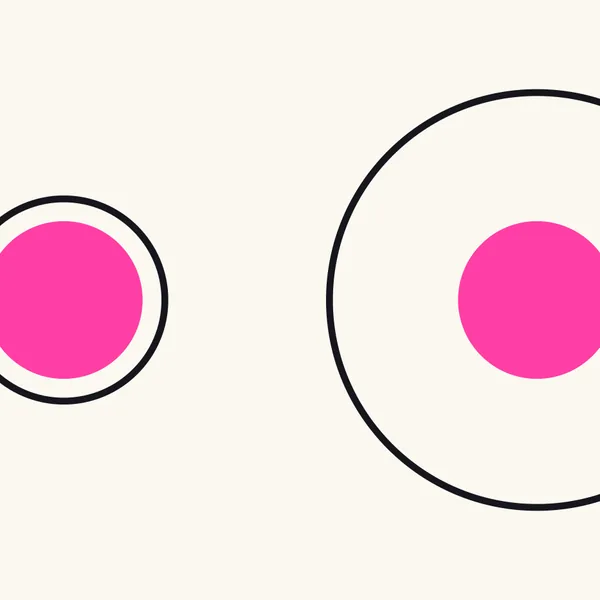 InteractiveGeometric illusionsDelboeuf IllusionTwo identical pink circles: a close ring makes one look bigger.
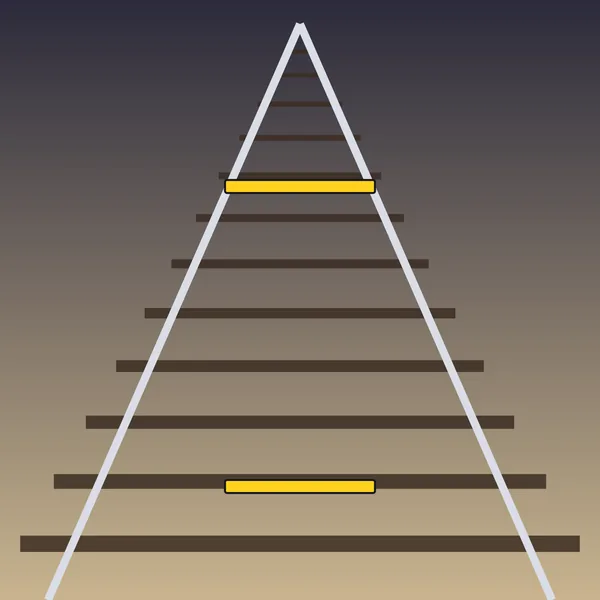 Geometric illusionsPonzo IllusionTwo equal bars on converging rails look like different lengths.
 Geometric illusionsJastrow IllusionTwo identical arcs, but the lower one always looks bigger.