
The Dress: Why Everyone Saw It Differently
In 2015 one blurry photo of a striped dress started an argument across the world. Years of research later, here is why people saw it so differently, and what it tells us about how seeing works.
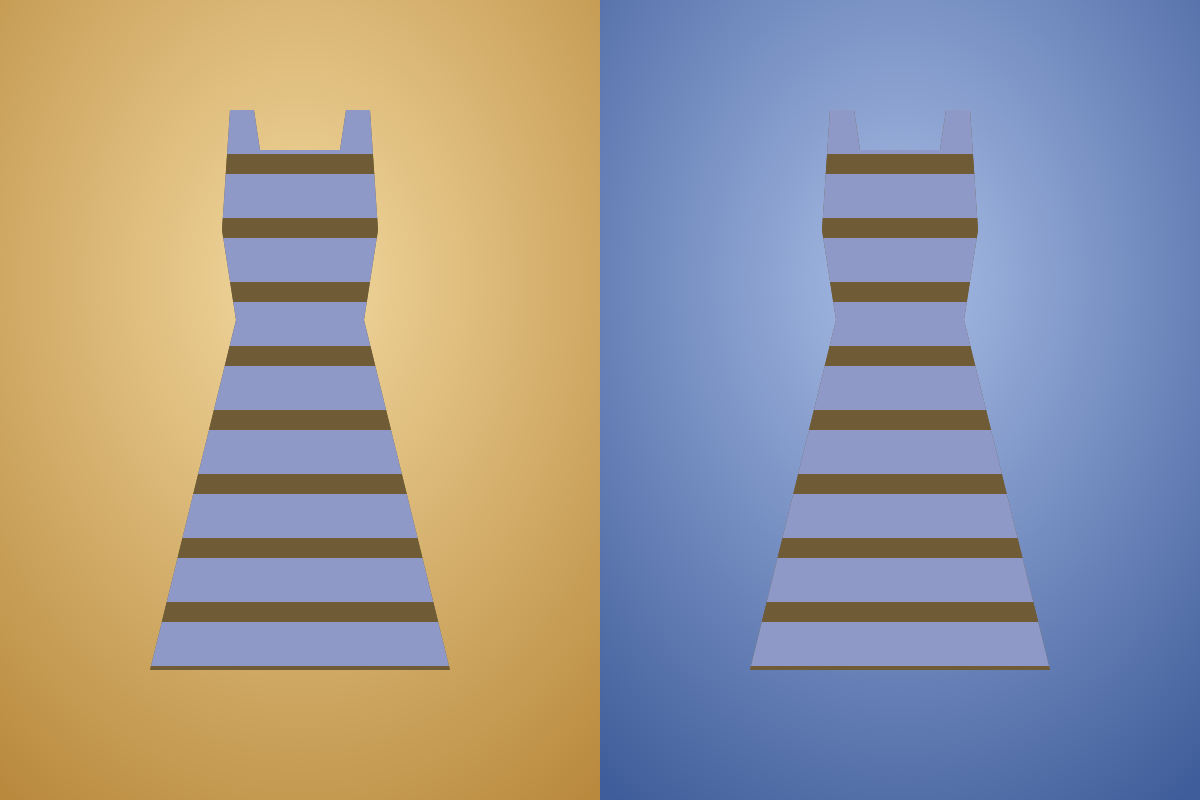
The photo that split the internet
In February 2015 a mother photographed a dress on her phone while shopping for her daughter's wedding and shared the picture with her family. They could not agree on its colors. When the photo was posted online in late February, the disagreement went global within a day. Friends, couples and coworkers looked at the same image on the same screen and saw completely different things.
Most people saw one of two versions:
- A blue dress with black lace.
- A white dress with gold lace.
A smaller group saw other combinations, such as light blue and brown, and some people saw the colors switch from one viewing to the next. The real dress, made by a British retailer, was blue with black lace. That fact settled what the dress was. It did not explain why so many people with healthy eyes saw something else.
We do not reproduce the original photograph here. Instead, our Dress Illusion page has an original demo that uses the same principle with two identical striped dresses.
Why lighting is the key
Every color that reaches your eye is a mix of two things: the color of the object's surface and the color of the light falling on it. Your brain cannot measure these separately, so it estimates the lighting and subtracts it. This is called color constancy, and it is why a white shirt looks white in blue evening shade and under a warm yellow lamp. You can read more about it in our guide to why colors trick your eyes.
Normally the scene is full of clues about the lighting: shadows, windows, skin tones, a white wall. The dress photo had very few. It was overexposed and tightly cropped, with a bright, washed-out area behind the dress. That left the brain to make its own assumption, and people made two different ones.
Story one: the dress is in bluish shade
If your brain decided the dress was in shadow or lit by cool daylight, it removed some blue from the image. The pale blue stripes then looked white, and the dark brownish stripes looked gold. Result: white and gold.
Story two: the dress is under warm artificial light
If your brain decided the dress was lit by warm, yellowish indoor light, it removed some yellow instead. The stripes then looked blue, and the dark lace looked black. Result: blue and black.
Both brains were doing the sensible thing. They simply started from different assumptions about the lighting, and the photo did not contain enough information to prove either one wrong.
What the research found
Vision scientists moved quickly. Within months, the journal Current Biology published several studies of the dress.
One of the best known came from Rosa Lafer-Sousa, Katherine Hermann and Bevil Conway. They surveyed a large number of people online and confirmed that most fell into the two main camps. They also found that age and sex were linked to the answer: older people and women were somewhat more likely to report white and gold. When the researchers showed versions of the dress with clear cues to warm or cool lighting, people's answers shifted in the direction color constancy predicts.
Other teams in the same journal pointed out why this particular photo was so slippery. The dress colors lie along the range of natural daylight, which runs from the blue of the open sky to the yellow-orange of direct sun. That is exactly the direction in which the brain expects lighting to vary, so the image is ambiguous in the one way that matters most. Researchers also found that people tend to blame bluish tints on the lighting more readily than yellowish ones, which helps explain why so many saw the stripes as white.
In 2017 Pascal Wallisch published a large study in the Journal of Vision that asked people directly what they assumed about the lighting. People who believed the dress was in shadow were more likely to see white and gold. Wallisch also found that early risers, who spend more of their waking hours in natural daylight, were more likely to see white and gold than night owls. His suggestion was that our life experience with different kinds of light shapes the assumptions we bring to an unclear picture.
What it was not
The dress was not a test of eyesight, intelligence or color blindness. People with normal color vision split into both camps. It was not only about screens either, since people looking at the same phone at the same moment disagreed. The split happened in how brains interpreted the same input.
An ambiguous picture, with a twist
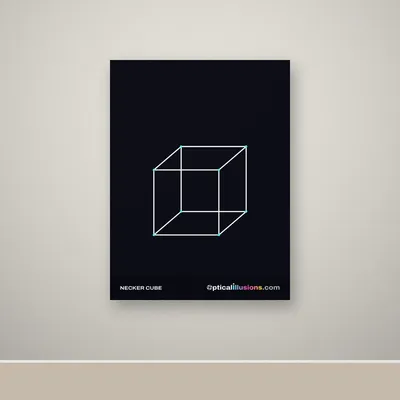
The dress belongs with other ambiguous images. The Rabbit-Duck Illusion can be seen as a duck facing left or a rabbit facing right, and the Necker Cube flips between two orientations. In each case the same input fits more than one interpretation, and your brain commits to one at a time.
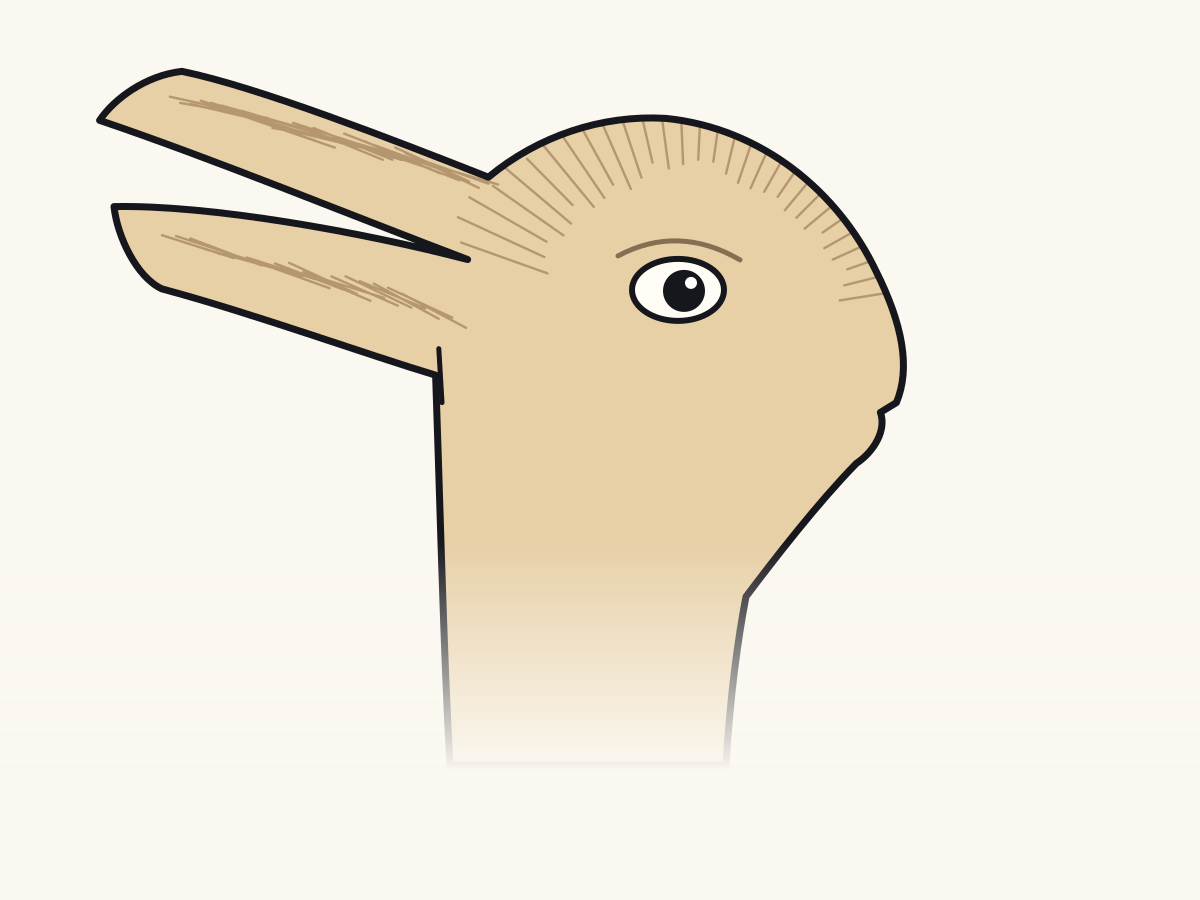
The twist is that most people can flip the rabbit-duck once they know the trick, but many could never make the dress change, no matter how long they stared. Some people did report switching when they saw the photo at a different brightness, on a different screen or with its surroundings covered. That difference made the dress unusually useful for science: it revealed stable differences between people's assumptions that are normally invisible.
What the dress teaches us
Seeing is not recording. Your brain is always combining the light that reaches your eyes with its own expectations about the world, and usually the result is so reliable that you never notice the guessing. The dress made the guessing visible, and it showed that two people can look at the same thing, see different things, and both be using their eyes correctly.
It is also a useful lesson for everyday disagreements about color. If you and a friend disagree about whether a sweater is navy or black, or whether a wall is gray or beige, you may both be right about what you see. Try looking at the object in daylight by a window, next to something you both agree is white, such as a sheet of printer paper. Giving your brains the same clear information about the lighting is usually enough to bring your answers together.
The same lesson turned up again in 2018 with a viral audio clip that some people heard as "Laurel" and others as "Yanny." Ambiguous input plus different expectations can split people in hearing as well as in vision.
Try it yourself
Open our Dress Illusion demo and press "Remove the lighting" to put both dresses on neutral gray. Then compare it with the Checkerboard Shadow Illusion, which uses the same lighting correction for light and dark, and explore more color illusions.
 InteractiveColor illusionsThe Dress IllusionThe photo that split the internet, and the color science behind it.
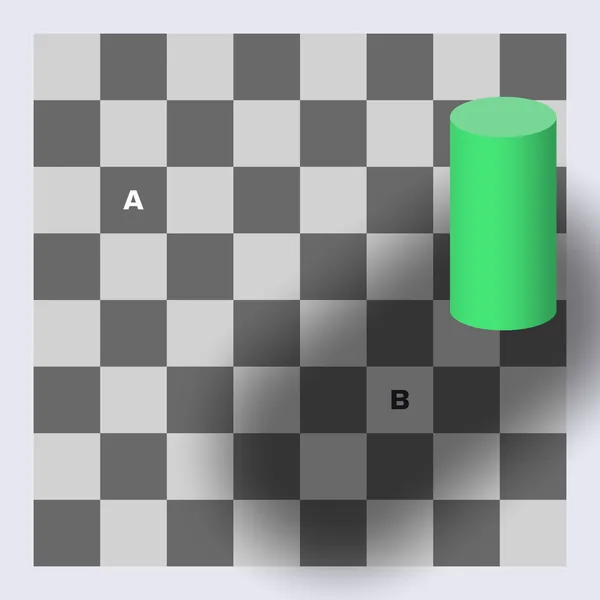 InteractiveBrightness illusionsCheckerboard Shadow IllusionA dark square in light and a light square in shadow are the same gray.
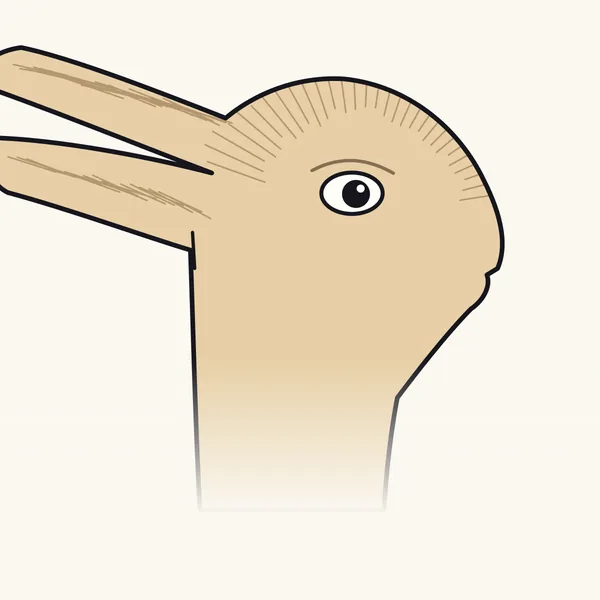 InteractiveImpossible & ambiguous figuresRabbit-Duck IllusionOne drawing, two animals: a duck facing left or a rabbit facing right.
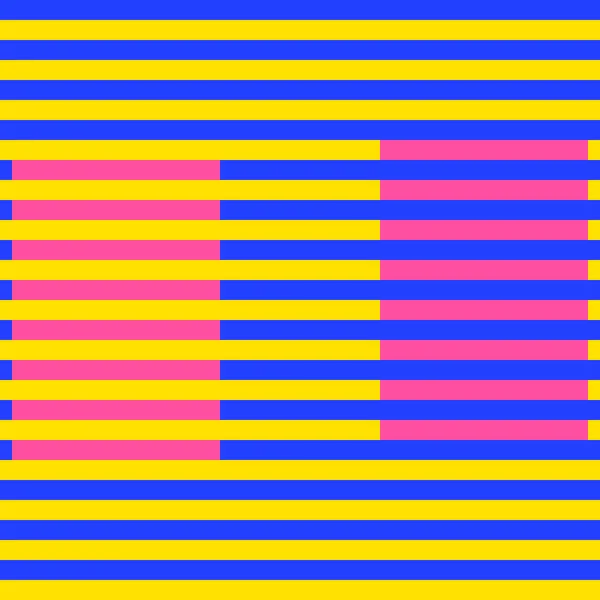 Color illusionsMunker-White IllusionThe same pink looks like two colors on blue and yellow stripes.
Questions and answers
What color was the dress really?
The real dress was blue with black lace. The photo, however, was ambiguous enough that many people saw it as white and gold.
Why do some people see the dress as white and gold?
Their brains assume the dress is in bluish shade or daylight and subtract blue from the image, which turns the pale blue stripes white and the dark stripes gold.
Can you make yourself see the other version?
Some people can, especially when the brightness of the image changes or the background is covered. Many people find that their first impression sticks.
Who studied the dress?
Several research teams studied it, including Rosa Lafer-Sousa, Katherine Hermann and Bevil Conway in 2015 and Pascal Wallisch in 2017. Their work points to different assumptions about the lighting.
Enjoyed this? Get a new illusion every week
One original illusion in your inbox each week, with the science explained in a minute.
Written by the Opticalillusions.com team · Published . Illusion artwork © The Wizard Of Sales, LLC. Spotted an error? Tell us.
More from Learn
 Learn · GuideTypes of Optical Illusions, Explained (With Examples)Literal, physiological and cognitive illusions, plus motion, color, geometric, ambiguous, impossible and afterimage illusions, with an example of each.Learn · GuideWhy Colors Trick Your Eyes: The Science of Color IllusionsColor constancy, simultaneous contrast, the Munker illusion and afterimages: how your brain builds color, and why it sometimes gets it wrong.