
Types of Optical Illusions, Explained (With Examples)
Every optical illusion fools you in its own way, but most belong to a handful of families. Here is how to tell them apart, with an example of each you can try right now.
What counts as an optical illusion?
An optical illusion is a picture or scene in which what you see does not match what is physically there. Two lines that are the same length look different. A still image seems to move. A gray square looks dark in one place and light in another, even though it is the same gray to the pixel.
Illusions are not signs that your eyes are faulty. Your visual system is constantly making fast, educated guesses about size, distance, lighting and movement, and those guesses are right almost all of the time. An illusion is a situation built, or found, where a normally useful guess gives the wrong answer. That is why scientists love them: each one shows a shortcut the brain uses when everything is working normally.
There is no single official list of illusion types. Scientists sort them in two common ways: by what causes the mistake, and by what the illusion looks like. This guide covers both, with an example from our collection for each.
Three families by cause: literal, physiological and cognitive
The British psychologist Richard Gregory, one of the best-known illusion researchers of the twentieth century, argued that illusions should be grouped by where the error comes from. Popular guides today usually describe three families.
Literal illusions
A literal illusion is a picture that shows something different from the things it is made of. A classic example is a portrait made entirely of fruit and vegetables, like the famous heads painted by Giuseppe Arcimboldo in the sixteenth century. Hidden-picture puzzles belong here too. In our Hidden Christmas Tree Illusion, a tree is tucked inside a grid of flashing dots, and you only find it once you stop seeing dots and start seeing a shape. Gregory also described purely physical illusions, such as a straw that looks bent in a glass of water, where the light itself is bent before it ever reaches your eye.
Physiological illusions
Physiological illusions come from the eye and the early stages of the visual system reacting to strong or repetitive stimulation: bright contrast, flicker, motion or one color held for a long time. Cells that respond to light, color or movement get tired, or they boost the differences at edges, and you see the side effects.
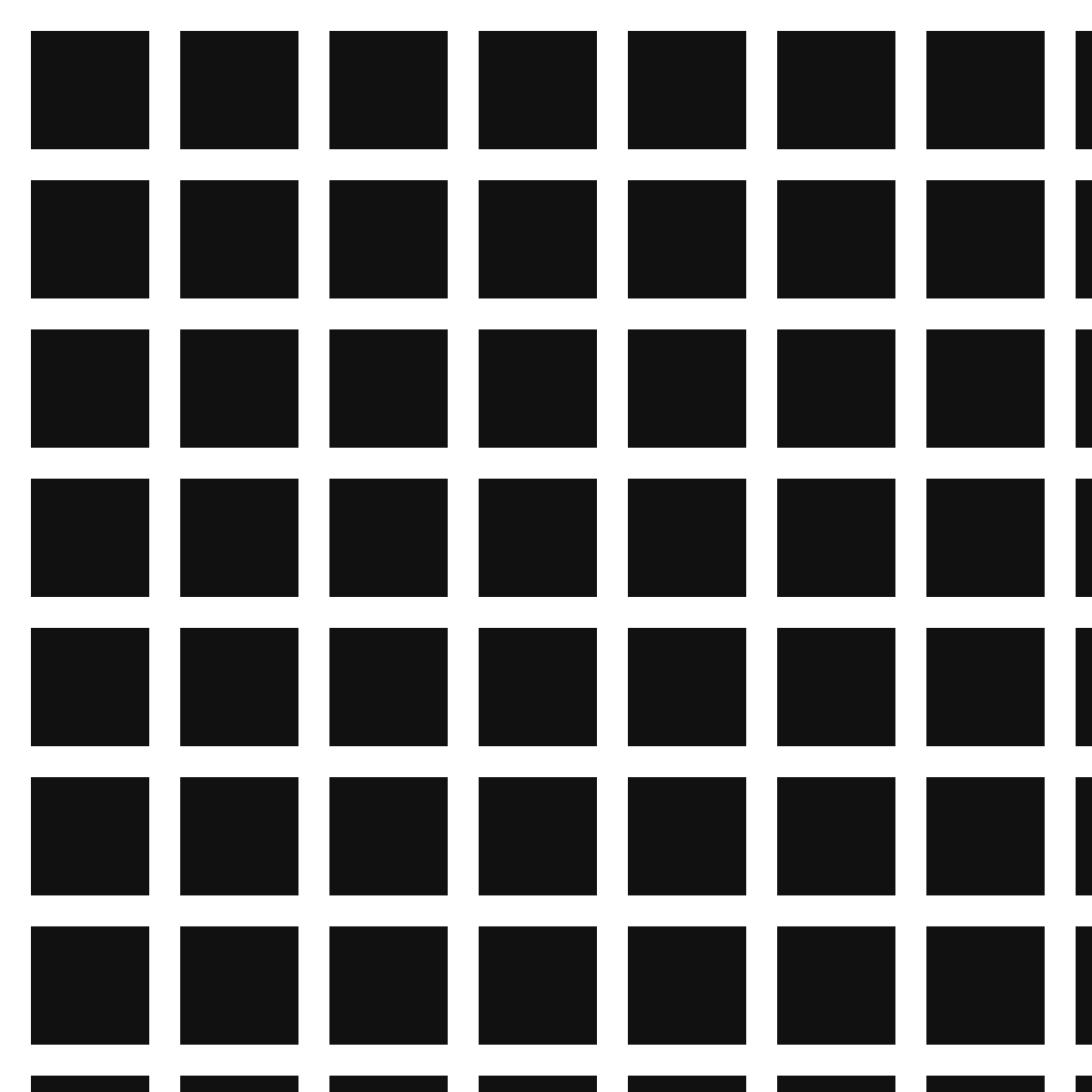
The Hermann Grid, first described by Ludimar Hermann in 1870, is a good example: gray smudges appear at the white crossings, everywhere except where you look directly. Afterimages and the motion aftereffect also belong to this family.
Cognitive illusions
Cognitive illusions happen later, when the brain interprets what the eye reports. Here the problem is not tired cells but a wrong assumption about the world, such as how far away something is, how it is lit or what object it belongs to. Gregory split these into ambiguities, distortions, paradoxes and fictions, and you will meet all four below. The Kanizsa Triangle, published by Gaetano Kanizsa in 1955, is a famous fiction: a bright white triangle appears with sharp edges even though no triangle is drawn.
Types by what you see
The cause-based families are useful, but most people describe illusions by what happens on the page. These are the types you will find on our illusion hubs.
Motion illusions
Motion illusions make still pictures appear to drift, rotate or swell. In the Peripheral Drift Illusion, repeating bands of light and dark seem to turn slowly, especially at the edge of your vision. The Ouchi Illusion, from a 1977 book of designs by Hajime Ouchi, makes a central disc appear to float above its background. Other motion illusions use real movement: stare at the Motion Aftereffect Spiral for 30 seconds and the world seems to flow the opposite way. Robert Addams described the same effect in 1834 after watching a waterfall, which is why it is often called the waterfall illusion.
Color and brightness illusions
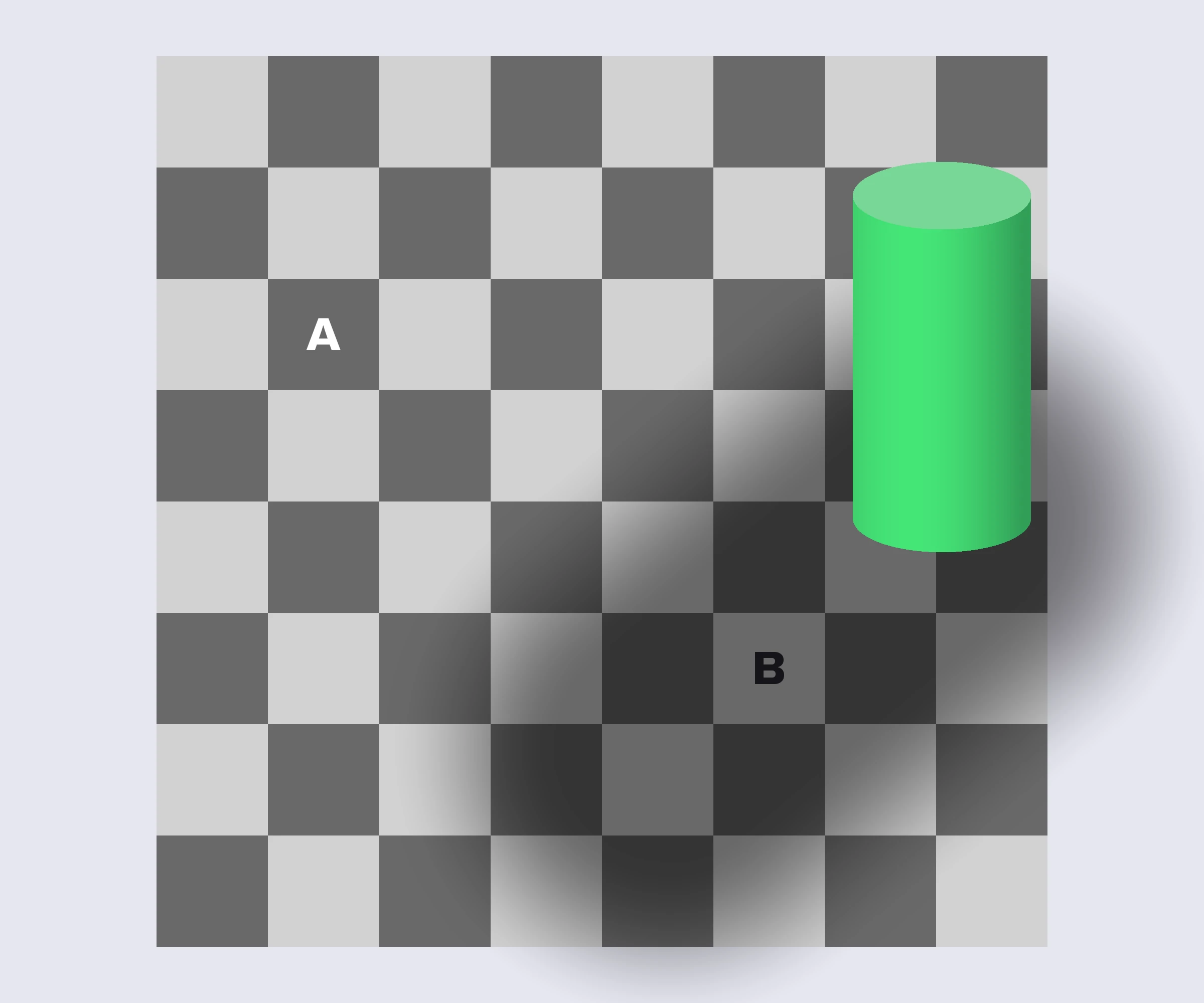
Color illusions and brightness illusions show that the shade you see depends on its surroundings. In the Checkerboard Shadow Illusion, based on a 1995 design by Edward Adelson, a square in shadow and a square in light are exactly the same gray. In the Munker-White Illusion, identical pink bars look like two different colors. For the full science, read why colors trick your eyes.
Geometric illusions
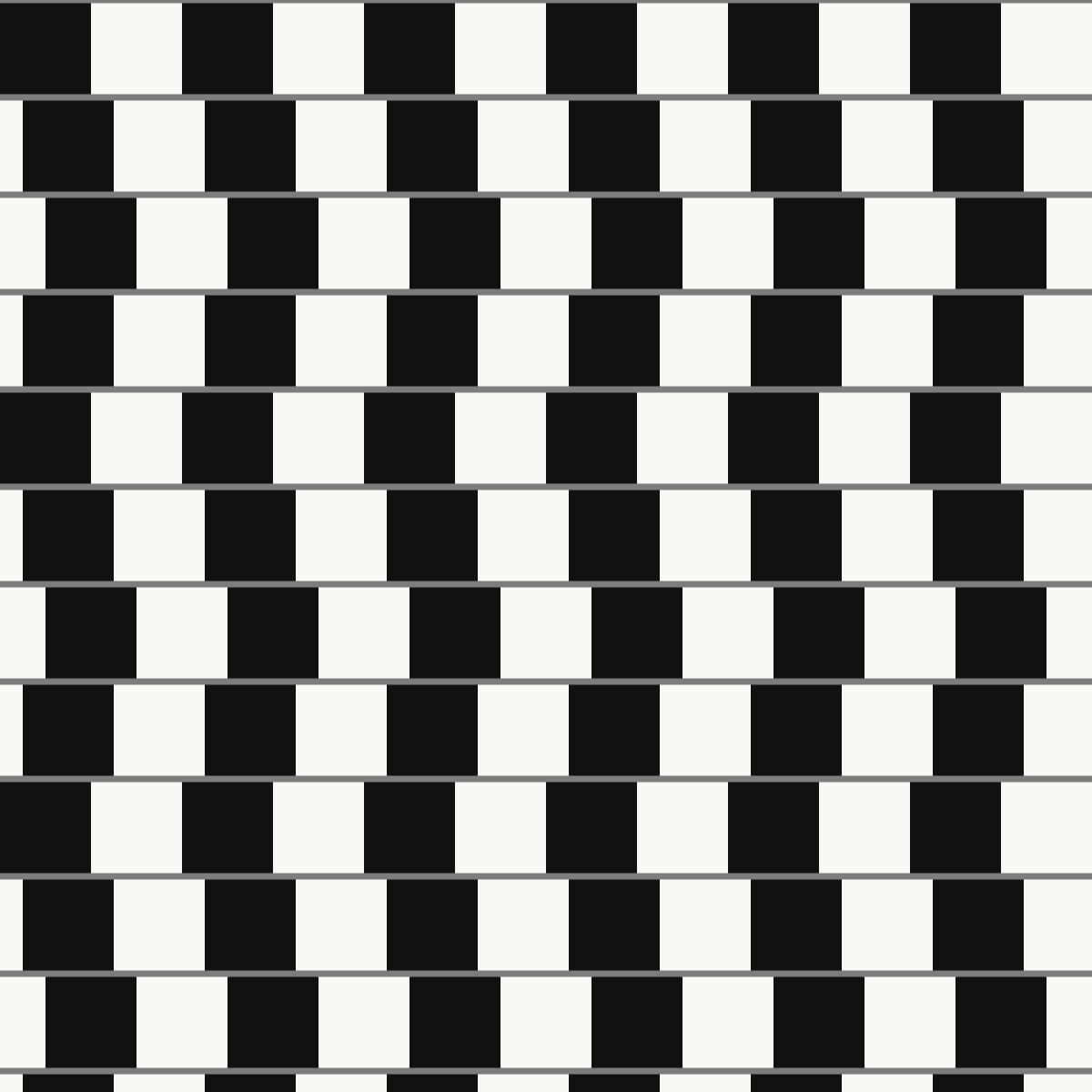
Geometric illusions distort size, length, angle or straightness. In the Müller-Lyer Illusion, published by Franz Carl Müller-Lyer in 1889, lines of equal length look longer or shorter depending on the fins at their ends. In the Ebbinghaus Illusion, a circle surrounded by big circles looks smaller than an identical one surrounded by small circles. The Café Wall Illusion, named by Richard Gregory and Priscilla Heard after the tiled wall of a café in Bristol, makes perfectly parallel lines look like wedges.
Ambiguous figures
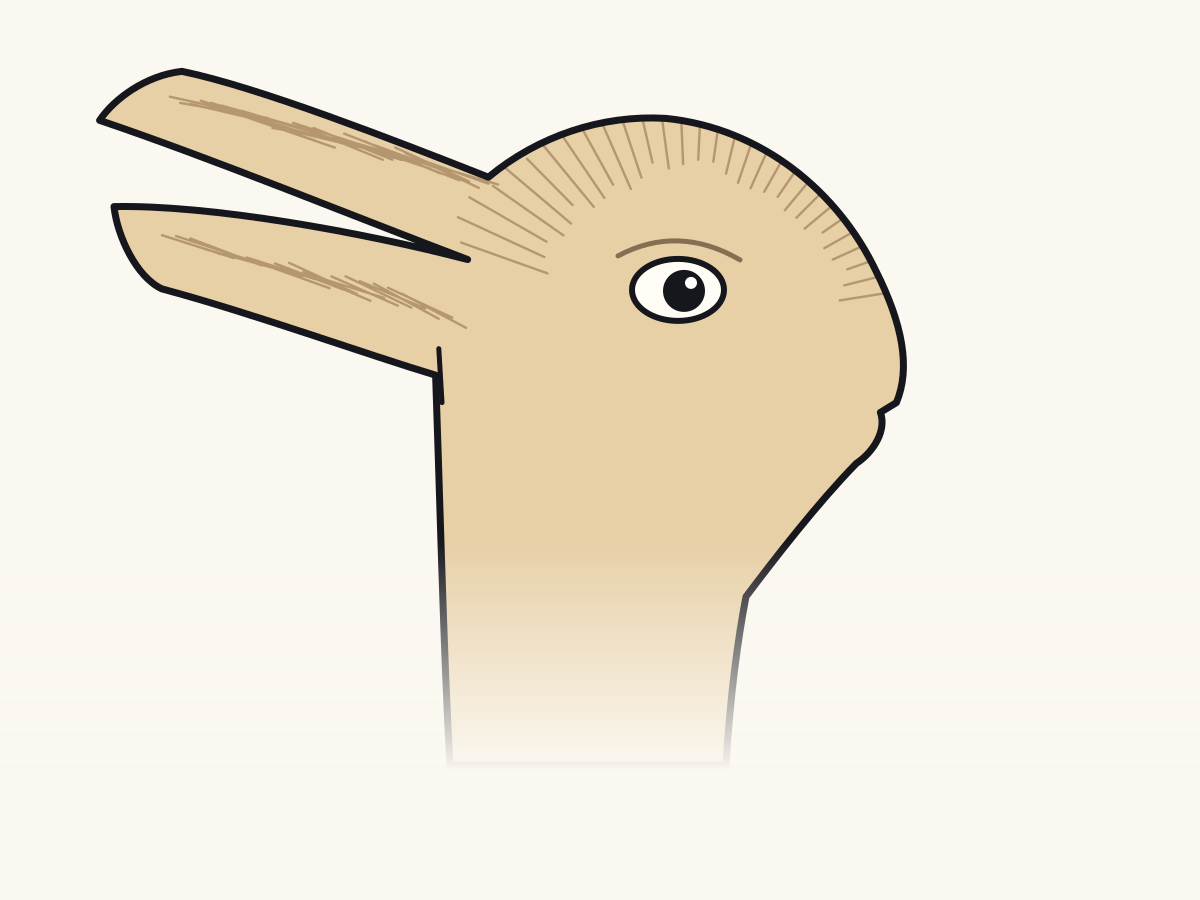
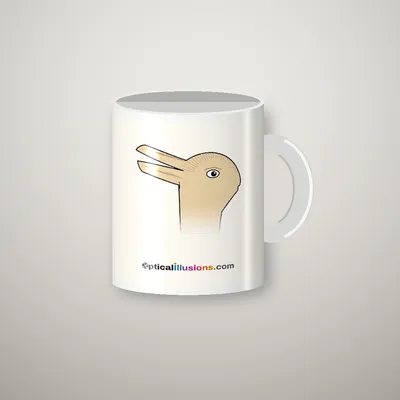
An ambiguous figure fits two interpretations equally well, so your perception flips between them. You can see either one, but never both at the same moment. The Rabbit-Duck Illusion first appeared in a German magazine in 1892. The Necker Cube, described by Louis Albert Necker in 1832, flips between two orientations, and the Rubin Vase is either a vase or two faces. Even the dress that split the internet in 2015 can be thought of as an ambiguous picture.
Impossible figures
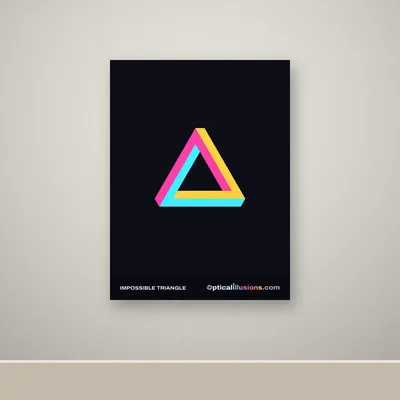
Impossible objects are drawings in which every corner makes sense on its own, but the whole could never be built. The Impossible Triangle was drawn by Oscar Reutersvärd in 1934 and made famous by Lionel and Roger Penrose in 1958. The Devil's Fork has three round prongs at one end and only two square ones at the other. These are Gregory's paradoxes: your brain reads each local clue quickly and does not insist that every answer agrees.
Afterimage illusions
An afterimage is an image that stays with you after the picture is gone. Stare at a colored shape, then look at a white surface, and you see a ghost in the opposite colors. Our Afterimage Flag shows a flag in cyan, black and yellow; after a 30-second stare, a red, white and blue flag appears on a blank panel. The Kwanzaa Kinara Afterimage and the Jack-o'-Lantern Afterimage use the same trick.
Why the categories overlap
Real illusions rarely fit one box. The Lilac Chaser is a color illusion, a motion illusion and an afterimage illusion at once, because a moving gap leaves a green afterimage while the lilac discs fade from view. The checkerboard shadow is a brightness illusion by appearance and a cognitive illusion by cause. Scientists also still disagree about the exact causes of several classics, including the Müller-Lyer and Ebbinghaus illusions. So treat the types as a map, not a rulebook: they help you notice what kind of shortcut your brain is taking.
Using illusion types with kids and classes
Sorting illusions is a great activity for curious kids and students. Show five or six illusions, ask the group to describe what they see, then sort them into motion, color, size, two-pictures-in-one and impossible. Older students can add the cause: is the trick in the eye or in the interpretation? A few tips:
- Start with illusions that have a reveal button, so everyone can check the truth for themselves.
- Use a ruler or a paper mask on the size and color illusions. Proving the trick is half the fun.
- Keep stares short for young children, and skip strong motion illusions for anyone who feels dizzy.
- Our illusions for kids page has a free printable worksheet pack.
Try it yourself
The best way to learn the types is to test your own eyes. Pick one illusion from each family below, then take our optical illusion test to see how many fool you.
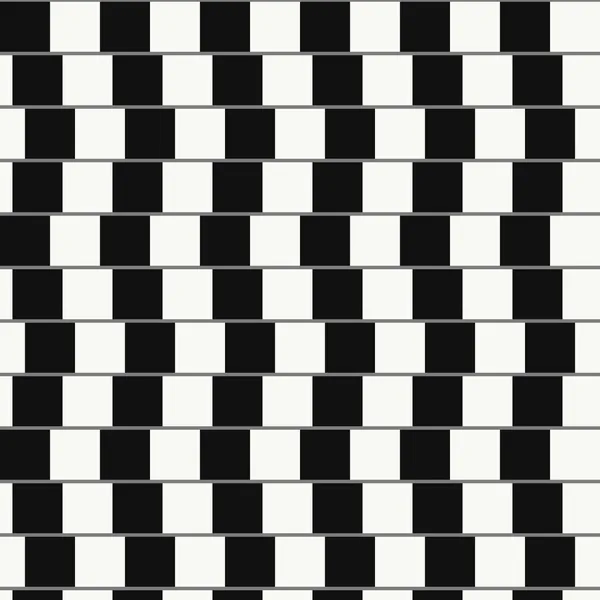 Geometric illusionsCafé Wall IllusionPerfectly parallel rows of tiles that seem to tilt into wedges.
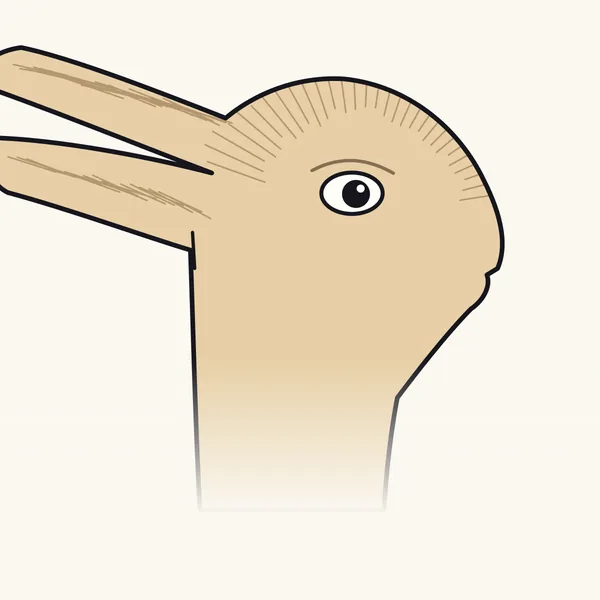 InteractiveImpossible & ambiguous figuresRabbit-Duck IllusionOne drawing, two animals: a duck facing left or a rabbit facing right.
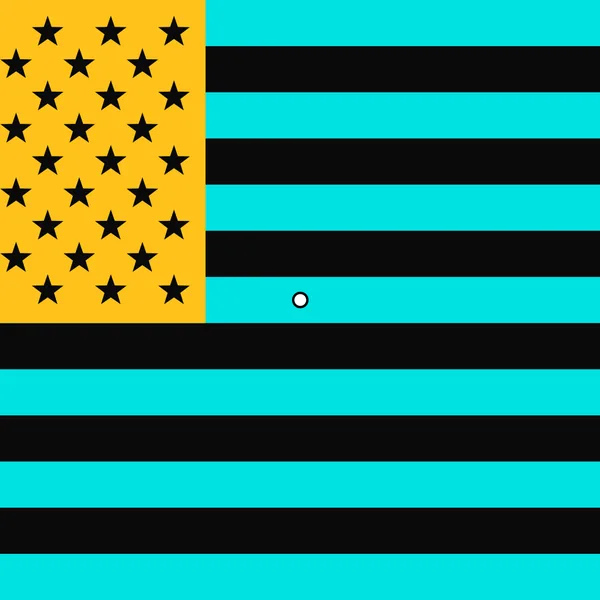 InteractiveColor illusionsAfterimage FlagStare at a cyan, black and yellow flag and a red, white and blue one appears.
 Impossible & ambiguous figuresImpossible TriangleThree bars meet at right angles to form a triangle that cannot exist.
Questions and answers
What are the three main types of optical illusions?
The most common grouping is literal, physiological and cognitive. Literal illusions show something different from what they are made of, physiological illusions come from the eye reacting to strong stimulation, and cognitive illusions come from the brain's assumptions.
How many types of optical illusions are there?
There is no official number. Grouped by cause there are three main families; grouped by appearance you will usually see motion, color and brightness, geometric, ambiguous, impossible and afterimage illusions.
What is the most famous optical illusion?
Strong candidates include the rabbit-duck, the Müller-Lyer lines, the impossible triangle and, more recently, the dress photo from 2015.
Are optical illusions bad for your eyes?
No. Illusions do not harm your eyes. Long stares and strong motion patterns can feel tiring, and people who are sensitive to motion or flicker should take breaks.
Enjoyed this? Get a new illusion every week
One original illusion in your inbox each week, with the science explained in a minute.
Written by the Opticalillusions.com team · Published . Illusion artwork © The Wizard Of Sales, LLC. Spotted an error? Tell us.
More from Learn
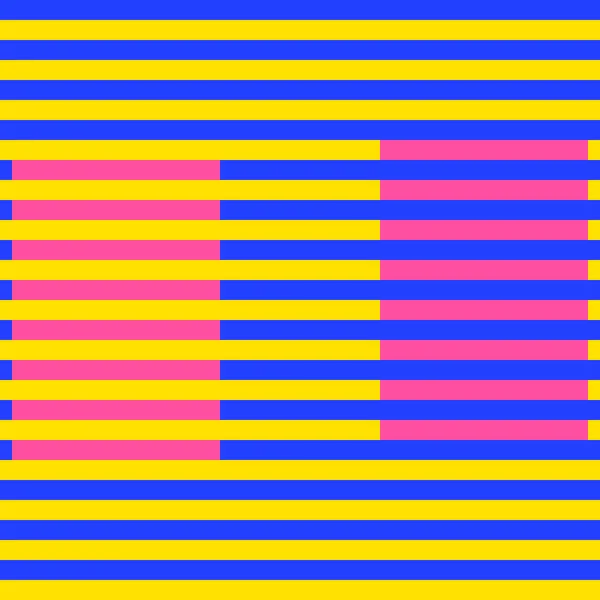 Learn · GuideWhy Colors Trick Your Eyes: The Science of Color IllusionsColor constancy, simultaneous contrast, the Munker illusion and afterimages: how your brain builds color, and why it sometimes gets it wrong.
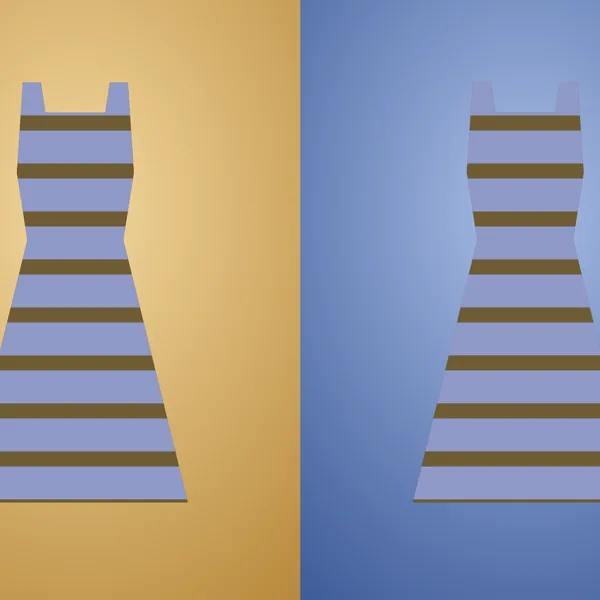 Learn · GuideThe Dress: Why Everyone Saw It DifferentlyBlue and black or white and gold? The 2015 photo, the lighting assumptions behind it and what scientists found when they studied it.