
Afterimage Illusions: Why You See Colors That Aren't There
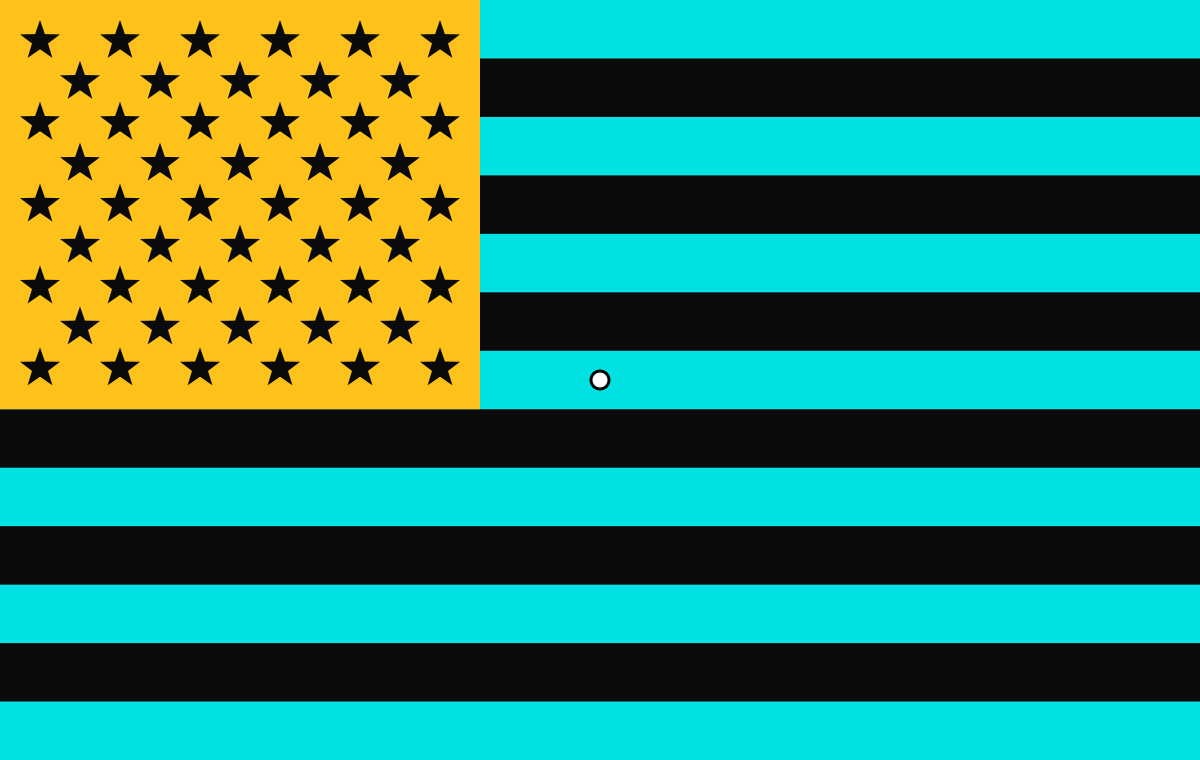
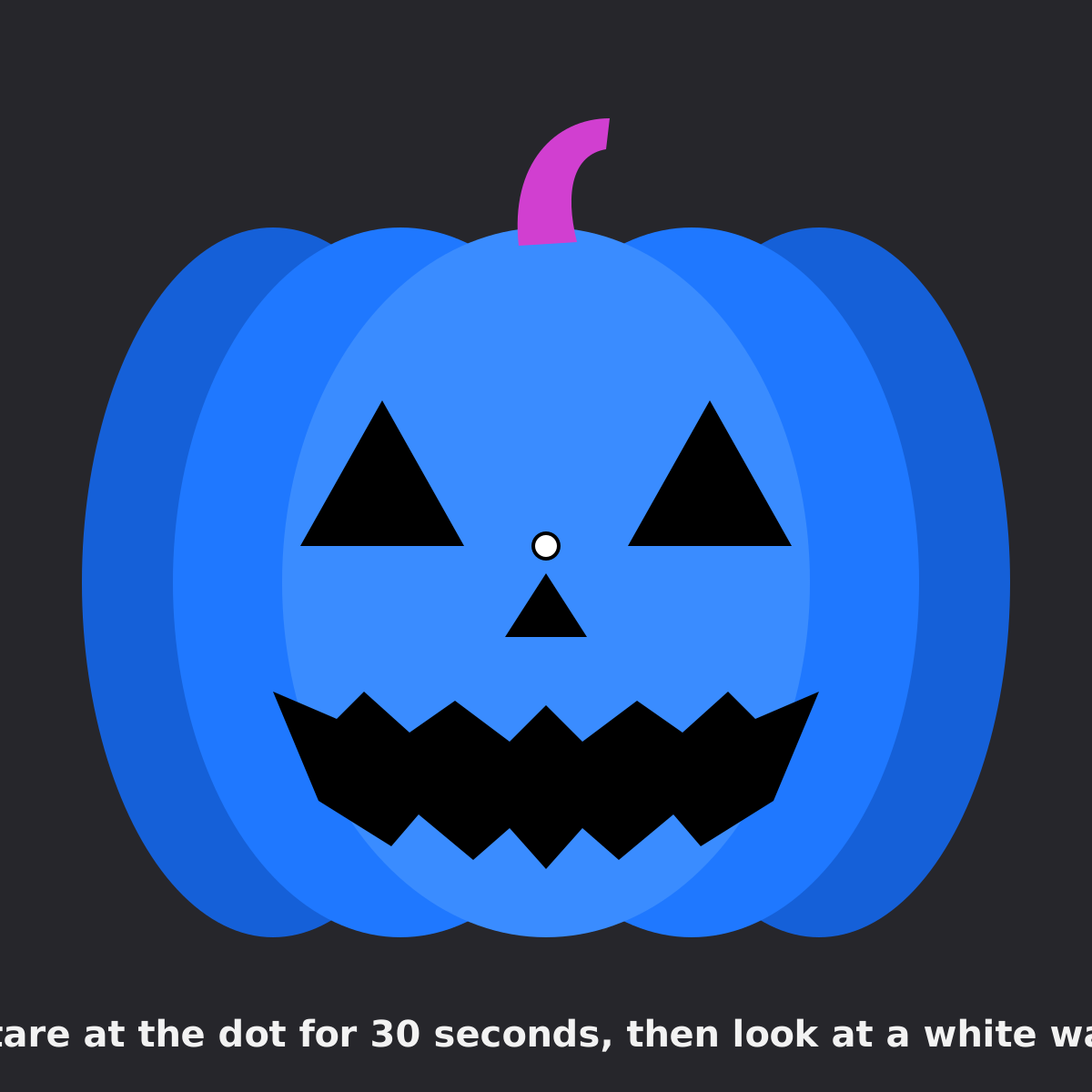
Stare at a strange blue pumpkin for half a minute, look at a white wall, and an orange jack-o'-lantern glows there. That ghost is called an afterimage. Here is what causes it, why its colors come out "opposite," and how to try it safely at home.
What is an afterimage?
An afterimage is a picture you keep seeing after the real picture is gone. You have probably noticed one already. After someone takes a photo with a bright flash, a dark or colored blob floats in front of you for a few seconds, wherever you look. That blob is an afterimage.
Optical illusion artists use afterimages on purpose. In our afterimage flag, you stare at a flag with cyan and black stripes and black stars on a yellow field. Then the flag disappears, and on the white space a ghostly flag appears in the familiar red, white and blue. Nothing red was ever on the screen. Your eyes made it.
There are two kinds of afterimage. A positive afterimage has the same colors as the original and lasts only a moment, like the bright streak a sparkler seems to leave behind. A negative afterimage has the opposite colors and lasts longer, usually a few seconds. The illusions on this page use negative afterimages.
Why do afterimages happen?
The short answer is that the cells in your eyes get tired.
At the back of your eye is the retina, a thin layer of cells that react to light. The cells that see color are called cones. Most people have three kinds: one kind responds most to long wavelengths of light (reds), one to medium (greens) and one to short (blues). Your brain works out every color you see by comparing how strongly the three kinds respond.
Like many cells in your body, cones and the nerve cells connected to them adapt. If they get the same strong signal for a long time, they turn their response down. This is useful: it keeps you sensitive to changes instead of wasting effort on things that stay the same.
So when you stare at a cyan stripe for thirty seconds, the cells that respond to cyan light become less sensitive. Then you look at white paper. White light contains all colors, but the tired cells respond weakly, while the rested ones respond normally. The balance tips away from cyan, and your brain reports the opposite color: red. Everywhere you stared at yellow, you see blue. Everywhere you stared at black, the cells were resting, so that area looks extra bright.
Why the colors come out "opposite"
The colors in an afterimage are not random. They follow a pattern that scientists call opponent colors.
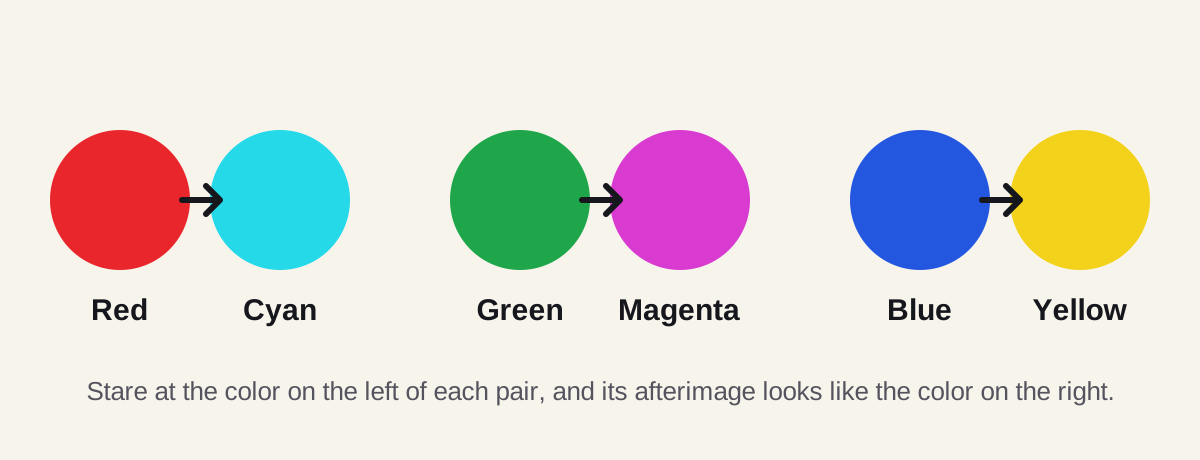
In the 1870s the German scientist Ewald Hering suggested that the visual system codes color in pairs that work against each other: red against green, blue against yellow, and light against dark. Modern research supports a version of this idea. Nerve cells after the cones compare the cone signals in opposing pairs, so when one side of a pair gets tired, the other side wins for a while.
That is why the afterimage of red looks cyan (blue-green), the afterimage of green looks magenta (pinkish purple), and the afterimage of blue looks yellow. To make an afterimage illusion, a designer takes a picture and flips every color to its opposite. When the afterimage appears, the colors flip back, and you see the "real" picture.
Afterimage illusions to try
The afterimage flag
Start with the afterimage flag. Keep your eyes on the small dot for the full thirty seconds and try not to blink much. The longer and steadier you stare, the stronger and longer the afterimage will be.
Holiday afterimages
Our holiday collection has afterimages for the season: a blue jack-o'-lantern that becomes a glowing orange pumpkin, a Thanksgiving turkey that turns warm brown with a red, orange and gold tail, and a Kwanzaa kinara whose candles appear in their proper colors.
The lilac chaser
The lilac chaser uses a moving afterimage. Lilac dots blink out one at a time around a ring. Each gap leaves a quick green afterimage, the opposite of lilac, so a green dot seems to race around the circle.
The waterfall effect
Afterimages are not only about color. Cells that detect motion get tired too. Stare at a waterfall for a minute, then look at the rocks beside it, and the rocks seem to drift upward. This "motion aftereffect" was described by Robert Addams in 1834 after a visit to a waterfall in Scotland. Our motion aftereffect spiral makes still things seem to swell or shrink.
Make your own afterimage
You do not need a screen to see an afterimage. Here is an easy experiment:
- Cut a simple shape, like a heart or a star, out of brightly colored paper. Red or green works well.
- Put it on a sheet of white paper in good light.
- Draw a small dot in the middle of the shape and stare at it for 30 seconds without moving your eyes.
- Quickly slide the colored shape away, or look at a blank white area, and keep looking at one spot.
You should see a ghost shape in the opposite color. Try different colors and record which afterimage you see. That can even become a school project, and our list of optical illusion science fair projects has more ideas.
Is staring safe?
Staring at a normal picture, paper or a screen at a comfortable brightness for thirty seconds is safe, and the afterimage fades on its own within seconds. If your eyes feel tired, blink and take a break. You can read more in our guide to whether optical illusions are bad for your eyes.
One important rule: never stare at the sun, a laser or any very bright light to make an afterimage. Light that strong can damage the retina for real. A normal colored picture works perfectly well.
Why afterimages matter
Afterimages show that you do not see the world directly. You see your brain's report of what your cells are signaling, and that report depends on what the cells were doing a moment ago. Usually the adjustment is helpful, because it lets your eyes work in bright sun and dim rooms alike. Afterimages are the rare moments when you catch it happening.
For more on how color tricks your brain, read why colors trick your eyes, see the famous optical illusions, or explore all our color illusions. Teachers can find classroom packs with stare-and-see activities on our For Teachers page, and several of our illusion designs are on tees, mugs and posters in the shop.
 InteractiveColor illusionsAfterimage FlagStare at a cyan, black and yellow flag and a red, white and blue one appears.
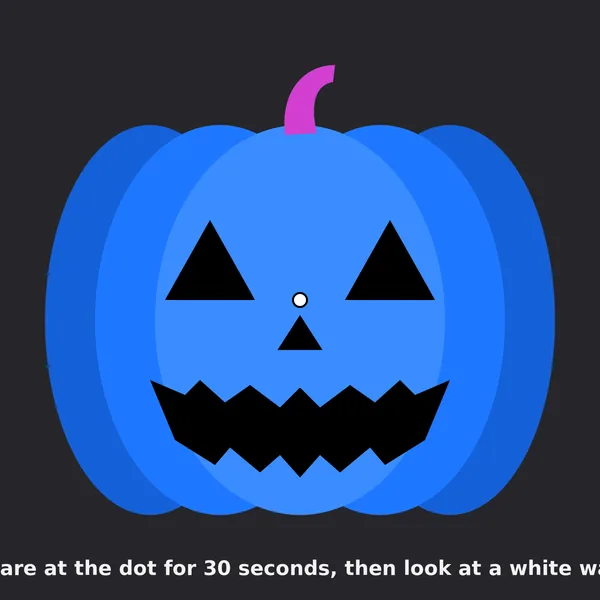 InteractiveHoliday illusionsJack-o'-Lantern AfterimageStare at a blue pumpkin for 30 seconds and an orange jack-o'-lantern with a glowing face appears.
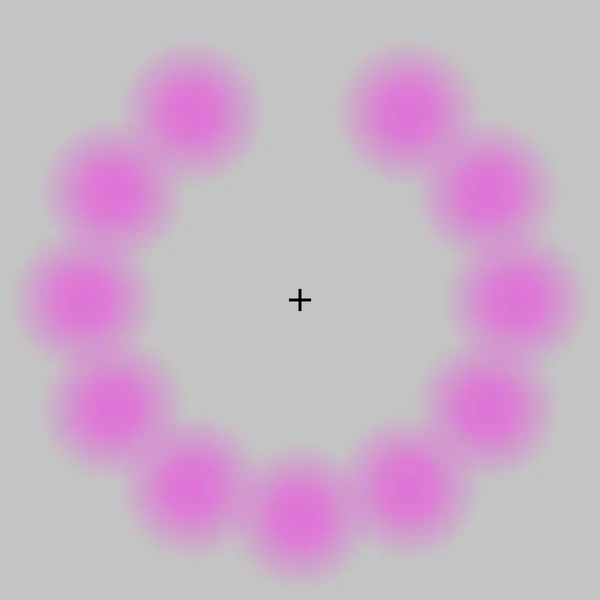 InteractiveColor illusionsLilac ChaserA ring of lilac blurs where a green dot seems to race around, and then the lilac vanishes.
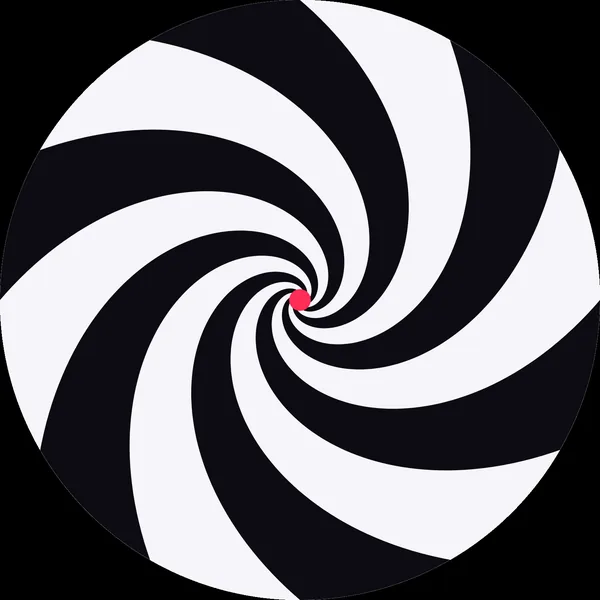 InteractiveMotion illusionsMotion Aftereffect SpiralWatch a spinning spiral for 30 seconds and still things start to move.
Questions and answers
What causes an afterimage?
Staring at a color makes the cells in your eye that respond to it less sensitive for a short time. When you look at something white, those tired cells respond weakly, so you see the opposite color until they recover.
Why is the afterimage the opposite color?
Your visual system compares colors in opposing pairs: red against green, blue against yellow and light against dark. When one side of a pair gets tired, the other side wins for a few seconds.
How long does an afterimage last?
A negative afterimage from a normal picture usually lasts a few seconds. Staring longer and holding your eyes very still makes it stronger and longer.
Are afterimage illusions safe for kids?
Yes, as long as they use normal pictures, paper or screens at a comfortable brightness. Never use the sun, lasers or very bright lights to make an afterimage.
Enjoyed this? Get a new illusion every week
One original illusion in your inbox each week, with the science explained in a minute.
Written by the Opticalillusions.com team · Published . Illusion artwork © The Wizard Of Sales, LLC. Spotted an error? Tell us.
More from Learn
 Learn · Guide15 Famous Optical Illusions and the Stories Behind ThemFrom the Necker cube of 1832 to the dress of 2015: the famous illusions everyone should know, who made them and why they work.
 Learn · GuideThe Penrose Triangle and Other Impossible Objects, ExplainedWhy the impossible triangle, cube and fork look solid but could never be built, and how artists fake them in real life.
 Learn · GuideWhy Ambiguous Pictures Flip: The Rabbit-Duck, Rubin Vase and MoreA rabbit or a duck? A vase or two faces? Why two-answer pictures flip, why you never see both, and how to switch on purpose.
 Learn · GuideBlind Spot Test: Find the Hole in Your Vision in One MinuteMake a dot vanish and a broken line repair itself. A one-minute test for the blind spot every eye has, and why you never notice it.
 Learn · Guide9 Easy Optical Illusions You Can Do at HomeA floating finger, a hole in your hand, a rubber pencil and more: nine illusions you can do with things you already have.
 Learn · GuideHow to Draw Optical Illusions: 4 Easy Step-by-Step IdeasFour easy illusions anyone can draw with a pencil, ruler and marker, with step-by-step pictures and the science behind each trick.
 Learn · GuideWhat Is Op Art? Optical Illusion Art ExplainedPaintings that ripple, bulge and buzz: how 1960s op artists used lines, grids and color to trick the eye, and how to make your own.
 Learn · GuideAre Optical Illusions Bad for Your Eyes? Facts and MythsDo illusions hurt your eyes? The facts on eye strain and dizziness, who should take care with flashing patterns, and the viral myths.
 Learn · GuideWhy Do Optical Illusions Work? How Your Brain GuessesSeeing is a best guess. The six shortcuts your brain uses, and the illusions that catch each one, explained in plain words.
 Learn · GuideHow Magic Eye Pictures Work (and How to See Them)The science of hidden 3D pictures, from a 1959 lab experiment to the 1990s craze, plus a step-by-step way to see the shape.
 Learn · GuideWhy Do Still Pictures Seem to Move? Motion Illusions ExplainedDrifting snakes, wobbling checks and spinning rings: how your eye movements and motion cells turn flat pictures into motion.Learn · GuideOptical Illusion Science Fair Projects: 8 Ideas That WorkEight testable project ideas, from measuring the Müller-Lyer illusion to timing afterimages, with tips on fair tests and fair rules.
 Learn · GuideTypes of Optical Illusions, Explained (With Examples)Literal, physiological and cognitive illusions, plus motion, color, geometric, ambiguous, impossible and afterimage illusions, with an example of each.
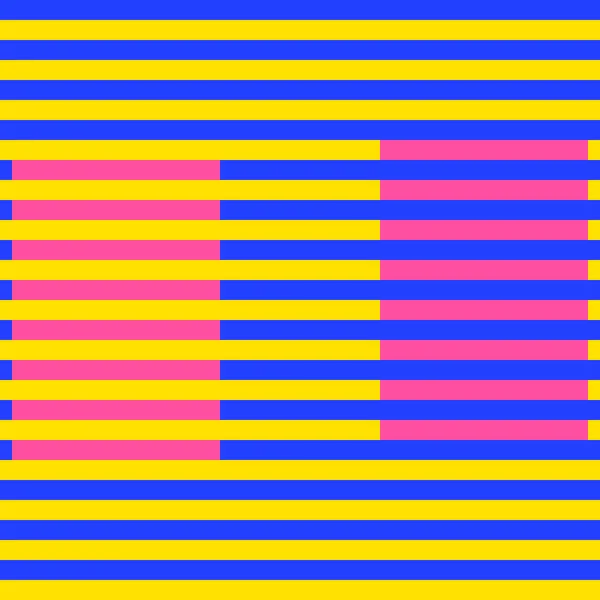 Learn · GuideWhy Colors Trick Your Eyes: The Science of Color IllusionsColor constancy, simultaneous contrast, the Munker illusion and afterimages: how your brain builds color, and why it sometimes gets it wrong.
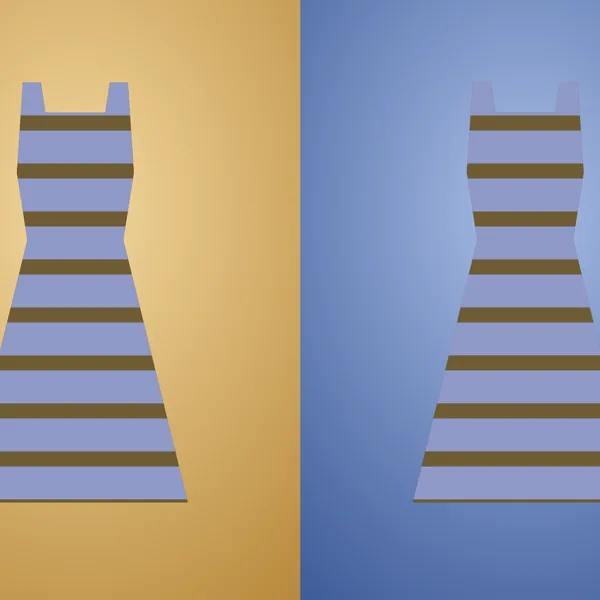 Learn · GuideThe Dress: Why Everyone Saw It DifferentlyBlue and black or white and gold? The 2015 photo, the lighting assumptions behind it and what scientists found when they studied it.